REVIEW · SYDNEY
Australian Surfing and Camping Tours
Book on Viator →Operated by Australian Surf Bus · Bookable on Viator
Surf, sleep, repeat on Australia’s east coast. This trip strings together classic surf towns, daily surf coaching, and campsite nights under the stars. You’ll move along the coast from Sydney toward places like Byron Bay and Seal Rocks, with time built in for wildlife watching and an Indigenous cultural stop.
I especially like how the tour keeps the group small (max 9 travelers), so feedback doesn’t get lost. Each surf session comes with equipment like wetsuits and foam boards, plus daily video analysis that helps you see what changed between rides.
One thing to consider: this is early-start, outdoors-first travel. The schedule starts at 6:00 am, and the trip requires moderate physical fitness—plus it runs on good weather, so plans can shift.
In This Review
- Quick hits before you go
- Why this surf-and-camping tour feels personal
- Price and what you actually get for $892.97
- The morning start: 6:00 am and why it matters
- Gold Coast waves first: world-champion territory
- Byron Bay: point-break surfing plus great town energy
- Yamba camping nights: wildlife time and beach-break variety
- Red Rock and the Gumbaynggirr Indigenous experience
- Scotts Head: coached point-break surfing with Trent Munro
- Crescent Head and longboard energy
- Seal Rocks: wildlife views and hike time
- Newcastle lunch stop: history and quirky café time
- Meals, gear, and the daily coaching feedback loop
- Group size, comfort level, and who this fits best
- Weather reality: why good conditions matter
- Should you book the Australian Surfing and Camping Tours?
- FAQ
- How long is the tour?
- What is the maximum group size?
- Is pickup available, and what time does the tour start?
- What surf gear is included?
- Are meals included?
- What type of accommodation do you use?
- What happens if the tour is canceled due to poor weather?
Quick hits before you go
- Max 9 travelers for coaching that actually reaches you
- Daily lessons + video analysis with a video pack after
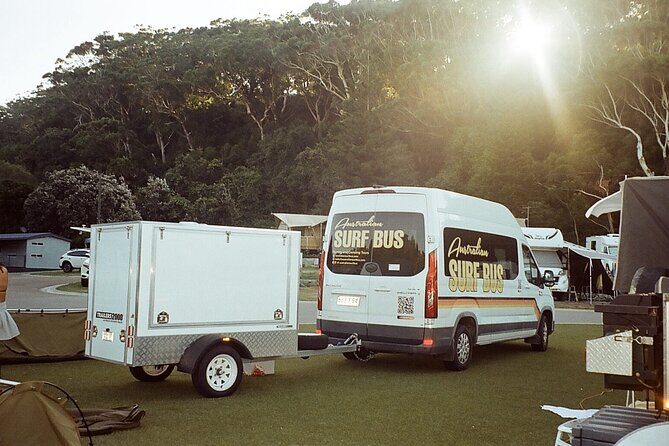
- Swag camping with camping equipment included
- Healthy breakfasts and dinners daily, with lunch on your own
- Indigenous experience at Red Rock with the Gumbaynggirr People
- A mix of break types (point breaks and beach breaks) across multiple iconic towns
Why this surf-and-camping tour feels personal
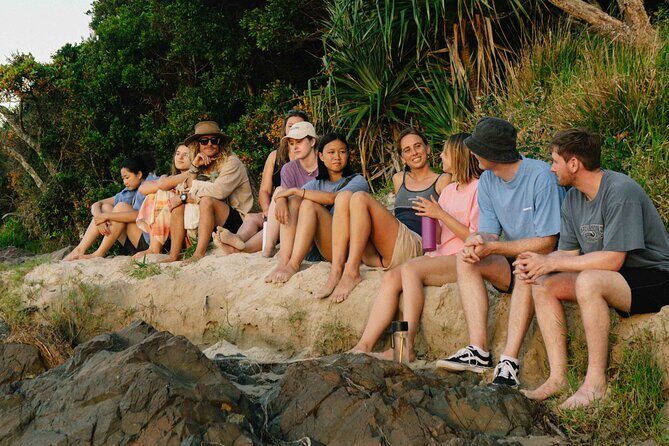
The vibe here isn’t loud-tour-bus energy. It’s more like a small crew heading down to the water, getting coached, and then talking waves and technique at camp. With a maximum group size of 9, you’re less likely to get stuck waiting your turn or feeling like one of many.
What makes it work for beginners is that the teaching happens every day. You’re not just dropped at the beach and told to figure it out. The trip is built around surfing lessons daily at the best local spots, and the coaches use video analysis so you can connect corrections to what you’re doing on the board.
I also like that you’re not only chasing surf. The itinerary includes wildlife watching and a cultural visit at Red Rock. That balance matters on a road-trip style surf tour because it gives your brain a break between sessions—plus it makes the days feel more like real East Coast travel than a loop of the same beach.
You can also read our reviews of more tours and experiences in Sydney.

Price and what you actually get for $892.97
At $892.97 per person for about 5 or 6 days, the cost feels high until you look at what’s included. This isn’t just transportation plus a couple of lessons. You get:
- Surfing lessons daily at the surf spots
- Wetsuits and foam boards included
- Camping equipment provided, with swag-style accommodation
- Healthy breakfasts and dinners each night
- Daily surfing video analysis and a video pack
- Wildlife watching time and an Indigenous experience
When meals and coaching are bundled, your daily budget gets easier to manage—especially if you’re traveling on the cost-conscious backpacker side. Lunch is the only meal you’re expected to cover yourself, and that can be a benefit: you can grab what you like at local cafés instead of eating the same set menu every day.
If you care about improving your surfing (not just taking photos), the video part is a big value-add. Watching your own rides with a coach’s notes tends to speed up learning because you stop guessing.
The morning start: 6:00 am and why it matters
The trip starts at 6:00 am. That’s early, no sugarcoating. But on a surf tour, early starts are often the difference between good sessions and cold, crowded, late-day water.
Expect the day to follow a rhythm: travel to a surf spot, surf and learn, then move on to the next location or campsite. If you’re the type who handles mornings fine and likes being on the move, you’ll probably love the pace. If you’re hoping to sleep in and surf only at golden hour, this one may feel like work.
Gold Coast waves first: world-champion territory
Your route kicks off with the Gold Coast, a place famous for serious surf history and serious waves. The schedule shows a 6-hour stop here, and that’s enough time to get real water time in without turning the first day into a marathon of driving.
This is a smart start for two reasons. First, the area is packed with surf culture, so the energy around surfing is easy to feel. Second, it’s a good place to learn how breaks work—what makes waves line up, how the lineup behaves, and why timing matters more than raw strength.
A practical upside: you’re likely to get coaching before you’re overloaded by travel fatigue. Starting with a structured surf day helps your technique get grounded early.
Byron Bay: point-break surfing plus great town energy
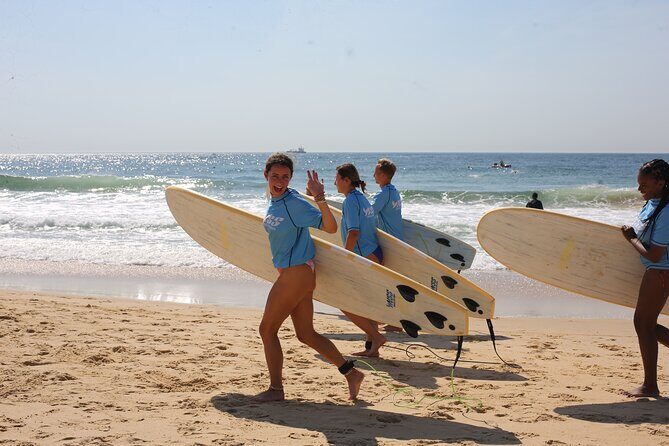
Next you head to Byron Bay, with focus on the iconic point break of The Pass. Point breaks are different from beach breaks in a way that matters for skill-building. They teach you how to position early, read the line of the wave, and commit once the wave sets up.
Byron Bay also brings a change of scenery beyond surfing. The itinerary includes time for award-winning eateries and incredible views, so you’re not stuck only in surf mode. After a lesson, that kind of town time helps you refuel and reset.
What I like about this stop is that it’s both instructional and enjoyable. The surfing is a highlight, but you also get the sense that you’re visiting a real destination—not just driving from one stretch of sand to the next.
- Blue Mountains Small-Group Tour from Sydney with Scenic World,Sydney Zoo & Ferry
★ 5.0 · 3,709 reviews
Yamba camping nights: wildlife time and beach-break variety

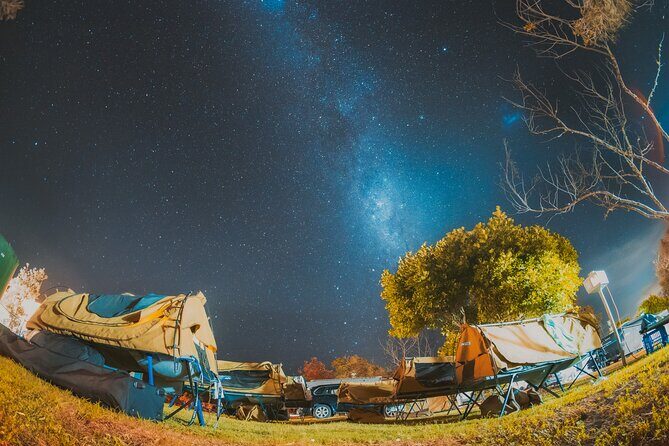
Yamba is where the trip leans into “original surf town” vibes. The plan highlights brilliant beach breaks, which can be a great match for improving fundamentals. Beach breaks often give you multiple wave options and different sections to try, so you can work on takeoff timing and balance.
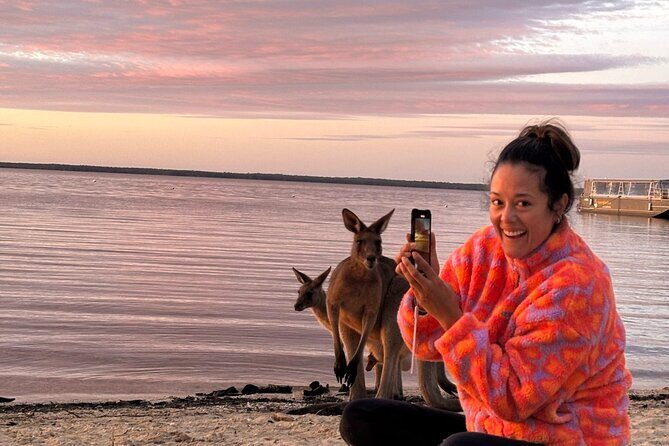
The itinerary also includes camping under the stars and wildlife watching. This is one of the most memorable parts of any coastal camping trip, because it shifts the focus from performance to environment. You’re not just learning to surf—you’re living near the ocean for a few nights.
The main thing to watch here is your comfort with camping at sea-level coastal conditions. Swag camping is listed, and while it’s an authentic way to travel, it does mean you’re sleeping outside. If you’re someone who expects hotel-level comfort, you may find the setup more rustic than you want.
Red Rock and the Gumbaynggirr Indigenous experience

One of the strongest parts of the trip is the stop at Red Rock, a sacred site connected to the Gumbaynggirr People. You’ll get an ancient Indigenous experience, including learning about ancient survival methods through an Indigenous meeting.
This isn’t just a quick photo stop. It’s a day built around understanding place, culture, and coastline knowledge—things that are easy to overlook when you’re only there for waves.
I appreciate that the tour includes this as a real program segment. It gives context for the region beyond the surf Instagram feed, and it adds weight to the overall journey. If you care about learning thoughtfully while you travel, this stop is a clear reason to choose this tour.
Scotts Head: coached point-break surfing with Trent Munro
Scotts Head is framed around its point break, and the coaching here includes learning from Trent Munro, described as a former world number 1 professional surfer.
Even if you’re brand new to surfing, it matters that the trip calls out high-level local expertise for this spot. A coach with pro experience can translate what you need to do into simple, repeatable cues. You don’t just get hype—you get technique.
One consideration: point breaks can feel more challenging at first than beach breaks because you often need to time takeoff carefully and commit to the line. That’s not necessarily a drawback. It’s just a reminder that progress may come in small jumps across the week, not as a single instant breakthrough.
Crescent Head and longboard energy
Then it’s on to Crescent Head, another iconic point break stop. The itinerary notes it’s a must-do for surf travellers and is known for some of the best longboard surfers in the world.
Longboard-style surfing often emphasizes smoothness and wave reading. Even if your goal is shortboarding, studying longboard-friendly waves can sharpen your understanding of how waves shape up and how to ride with control instead of panic.
This is a good middle-to-late-week stop because you’re past the first-days learning curve. By now, you’ve probably gotten used to the daily routine, and the coaching feedback can start sticking faster.
Seal Rocks: wildlife views and hike time
Seal Rocks is a standout for nature lovers. The plan emphasizes stunning views, rich marine life, and a beautiful campsite that’s often regarded as a tour favourite.
You also get time for wildlife watching and breathtaking hikes. Even if you don’t consider yourself a big hiker, these breaks from the surf help you reset your body and avoid the burnout that can come from repeating the same movements all day.
Seal Rocks also gives you a different ocean feel compared to the surf towns. It’s more about habitat and coastline than just cafes and surf shops, which makes the week feel like more than a single-theme trip.
Newcastle lunch stop: history and quirky café time
Toward the end, you stop in Newcastle for lunch and some time to wander. It’s described as having history and surfing culture, plus quirky little cafés and bars.
This works well because it gives you an easy, low-pressure activity. You don’t need to be “on” like you do during surf sessions. You can just eat, look around, and enjoy a city moment before heading back out.
Since lunch isn’t included, this stop is also a chance to choose what fits your appetite that day—especially if you have food preferences.
Meals, gear, and the daily coaching feedback loop
The trip includes healthy breakfasts and dinners daily, and lunch is optional on your own. Having breakfast and dinner handled is a big practical advantage. It reduces decision fatigue and makes the day feel organized, especially with early departures.
From guest feedback, the meals have also been a strong point, including vegetarian-friendly options. That matters because surf trips can easily turn into “whatever is cheapest nearby,” which doesn’t always work well for energy and recovery.
On the surf side, you get more than boards and wetsuits. You also get daily video analysis and a video pack. This is the part that makes the coaching “stick.” You’re not just getting instructions in the moment—you’re getting a way to revisit what you did wrong or right later.
And since the tour includes surf coaches working across the trip, you benefit from different coaching angles. One coach might focus on timing. Another might focus on stance or posture. That mix often helps you find what clicks fastest.
Group size, comfort level, and who this fits best
With a max group size of 9, you can expect a friendlier vibe than larger bus trips. The tour is also described as good for both beginners and people looking to refine skills. That’s exactly what you want if you’re somewhere between “I can stand up” and “I want to surf with control.”
The trip does require moderate physical fitness. Surfing itself is active, and you’ll also be traveling and moving around between stops. If you can handle long days, you’ll probably feel fine. If you’re dealing with injuries or you know you struggle with early starts, consider that upfront.
Swag camping also means you should be okay with a more outdoor-focused setup. The tour provides camping equipment, which helps, but it still isn’t hotel life.
Weather reality: why good conditions matter
This experience requires good weather. That’s not a marketing line. It’s a real operating factor for surfing, hiking, and safe outdoor activities.
If it’s canceled due to poor weather, you’ll be offered a different date or a full refund. That gives you a safety net, but it also means you should be flexible if you’re traveling with tight timing.
If you’re planning the rest of your trip around this experience, give yourself a bit of wiggle room. Surf weeks are always weather-sensitive, even when the schedule looks neat on paper.
Should you book the Australian Surfing and Camping Tours?
Book it if you want a surf trip that’s organized enough to learn quickly, but still loose enough to feel like actual East Coast travel. The combo of daily coaching, video feedback, swag camping, and stops that include both surf and nature makes it a strong value.
Skip it (or think twice) if you hate early mornings, don’t want outdoor sleeping, or need a slow schedule with lots of downtime. Also, if you’re expecting a culture stop that’s only a quick look, the Red Rock Indigenous experience is more substantial than that.
If your goal is to go from trying to surf to surfing with better technique—and you’re happy to spend a week with a small group—you’ll likely find this one a memorable way to see the coast.
FAQ
How long is the tour?
The duration is listed as approximately 5 or 6 days, depending on the departure.
What is the maximum group size?
The tour has a maximum group size of 9 travelers.
Is pickup available, and what time does the tour start?
Pickup is offered, and the start time is 6:00 am. The meeting point is near public transportation.
What surf gear is included?
Wetsuits and foam boards are included, along with surfing lessons daily.
Are meals included?
Yes. The tour includes a healthy breakfast daily and a healthy dinner each night. Lunch is not included.
What type of accommodation do you use?
Accommodation is swag camping, and camping equipment is included.
What happens if the tour is canceled due to poor weather?
If the experience is canceled due to poor weather, you’ll be offered a different date or a full refund.
You Might Also Enjoy

More Tours in Sydney
- Blue Mountains Small-Group Tour from Sydney with Scenic World,Sydney Zoo & Ferry
★ 5.0 · 3,709 reviews
More Tour Reviews in Sydney
- Blue Mountains Small-Group Tour from Sydney with Scenic World,Sydney Zoo & Ferry
★ 5.0 · 3,709 reviews