REVIEW · SYDNEY
From Sydney: Australian Wildlife Safari with Lunch & Dinner
Book on GetYourGuide →Operated by Local Travel Planner · Bookable on GetYourGuide
Kangaroos by daylight, marsupials at night—this tour delivers. I love the small-group setup that keeps wildlife spotting focused, and I love the chance to use binoculars plus red spotlights after dark. The only real consideration: you’ll walk on steep, rough, and sometimes slippery trails and river banks for short stretches.
You’ll start with an air-conditioned ride out of the city for about 90 minutes into the Southern Highlands, where native birds and mammals are a lot easier to find when you’re with someone who reads the land. Expect an easy, picnic-style lunch, a wildlife-tracking lesson, and then hours of bushland searching for the day’s big sightings.
Then comes the best part for people who love night nature: a country pub dinner, and afterward a guided spotlight hunt for nocturnal marsupials like wombats and possums. The pace is relaxed, but it is outdoors the whole time, and the weather can change quickly.
In This Review
- Key Points You’ll Care About
- Getting Out of Sydney Fast: The Southern Highlands Road Trip
- Lunch, Conservation, and Tracking Lessons Before You Hunt for Wildlife
- The Birdlife Afternoon: Kookaburras, Rosellas, and Cockatoos
- Kangaroos at Golden Hour: Wallabies, Emus, and a Platypus Maybe
- Historic Pub Dinner and a Reset Before the Night Hunt
- Spotlighting After Dark: Wombats, Possums, and Feathertail Gliders
- How Much Value You’re Getting for $300
- What to Bring (and What to Wear) for Real Wildlife Walking
- Who This Safari Best Suits
- Final Call: Should You Book the Sydney Wildlife Safari?
- FAQ
- Where does the tour meet in Sydney?
- How long is the experience?
- What animals can you expect to see?
- Is the group size large?
- What meals are included?
- What spotting gear is provided?
- What should I bring and what walking ability is required?
Key Points You’ll Care About
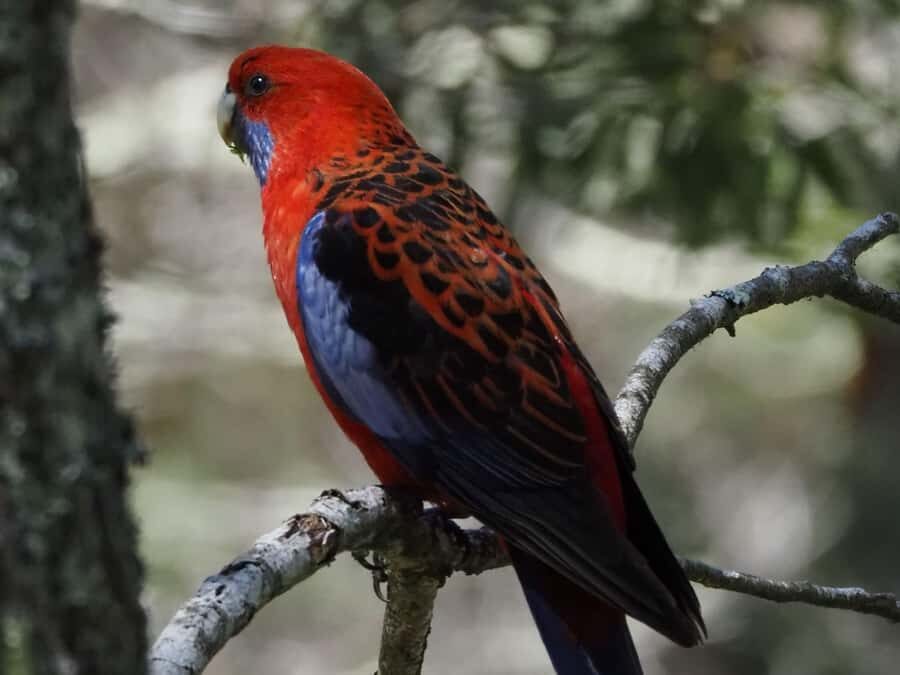
- Up to 8 people means less waiting and more attention when animals appear
- Daylight wildlife + night spotlighting covers both what moves in the sun and after dusk
- Tracking practice helps you spot signs of animals before you see them clearly
- Historic country pub dinner gives you a warm reset before the night search
- Binoculars, reference guides, and red handheld spotlights are included for better photos and better sightings
Getting Out of Sydney Fast: The Southern Highlands Road Trip
This is a full-day safari that starts right at the Sydney Harbour Marriott Hotel on Circular Quay (30 Pitt St). If you’re staying in central Sydney, it’s close enough that you won’t need a complicated plan just to get to the meeting point.
What I like about the drive is that it’s not just transportation. You’re traveling into the Southern Highlands with a guide who sets expectations early. You’re told what you’re likely to see, plus you get stories about how and where animals live. That makes a huge difference later, because you’re not scanning randomly—you’re looking with purpose.
Plan on about 90 minutes to get from Sydney to the bush setting. During that ride, you’ll learn how to spot wildlife activity by noticing the small tells: tracks, call patterns, feeding areas, and the way certain birds behave when mammals are nearby. It’s a subtle shift from sightseeing to actual wildlife searching.
You can also read our reviews of more tours and experiences in Sydney



Lunch, Conservation, and Tracking Lessons Before You Hunt for Wildlife
Once you arrive, you get a light lunch to keep you going without ruining your appetite for the afternoon. You’ll have gourmet wraps, plus juice and water. I like that this is simple and practical—no heavy meal that weighs you down during walking and stop-start wildlife scanning.
After lunch, you’ll spend time learning about local conservation projects and the art of wildlife tracking. This is one of those parts that can feel “educational” on paper, but it actually makes the rest of the day more fun. When you understand how animals move, rest, and feed, the bush becomes a puzzle you can solve.
Tracking also changes how you photograph. You’re more likely to capture crisp moments, because you’re waiting for activity rather than chasing it. Even if you don’t spot every animal on your wish list, you’ll understand why you did or didn’t.
The Birdlife Afternoon: Kookaburras, Rosellas, and Cockatoos
The afternoon is built around bushland and open country, the kind of habitat where you can enjoy wildlife without just staring at the ground. Birdlife is the star here, and it’s a good sign for the overall ecosystem—birds react to insects, seed sources, and the general rhythm of the area.
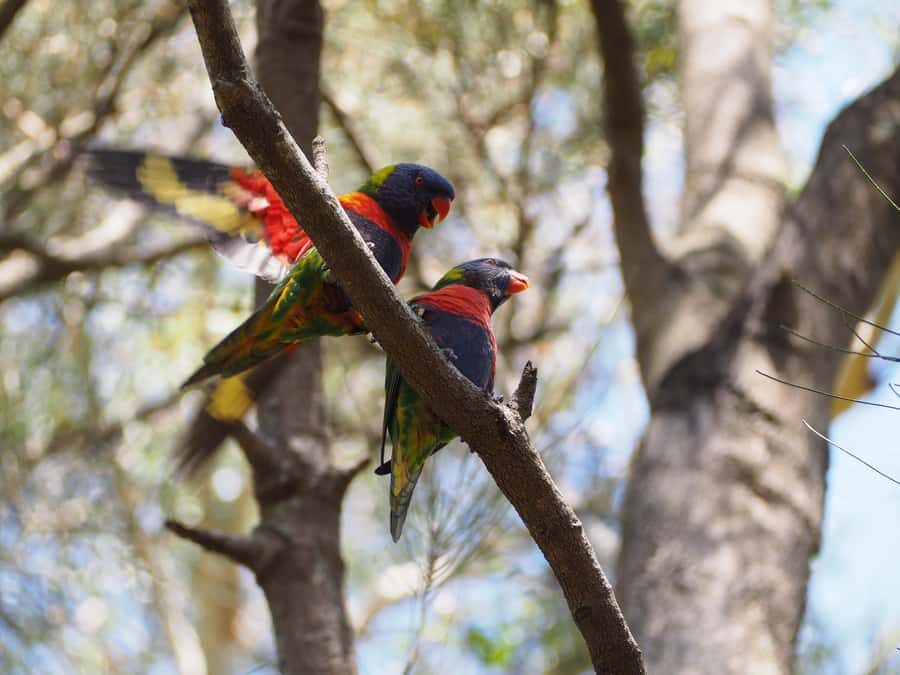
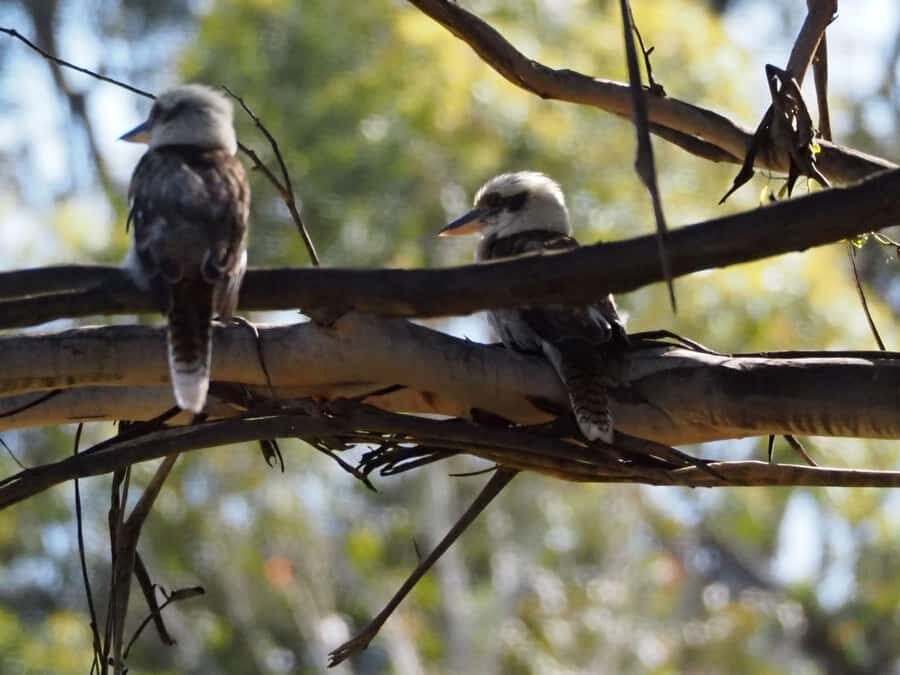
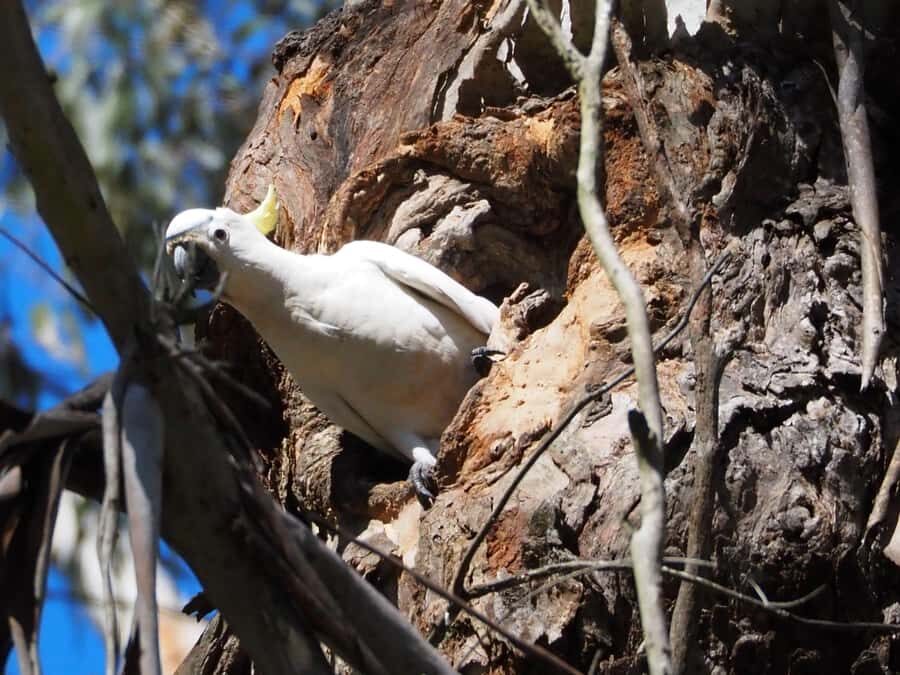
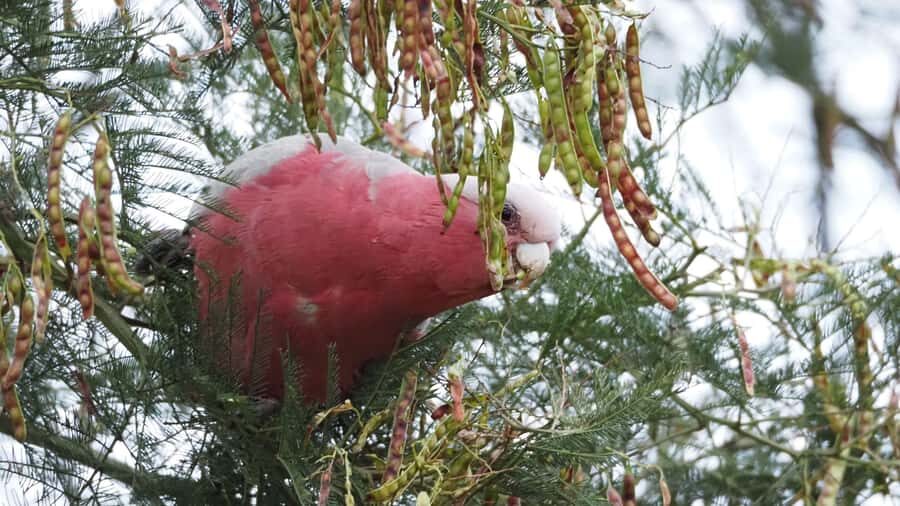
In practical terms, you’re likely to hear and see laughing kookaburras calling out as you move through areas where they hunt and perch. You’ll also look for bright, quick birds in flight, including rosellas and cockatoos—the flash of color can be faster than you expect, so binoculars help more than you’d think.
And yes, keep your eyes up and then down again. It’s not either-or. Wildlife spotting works best when you scan multiple levels: canopy birds overhead, ground movement, and small signs near shrubs and edges.
A fair warning: bird sightings can be hit-or-miss depending on the day and the weather. But that’s true of every wildlife outing. The benefit here is that the guide helps you keep your searching efficient, so even slow periods feel productive.
Kangaroos at Golden Hour: Wallabies, Emus, and a Platypus Maybe
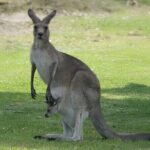
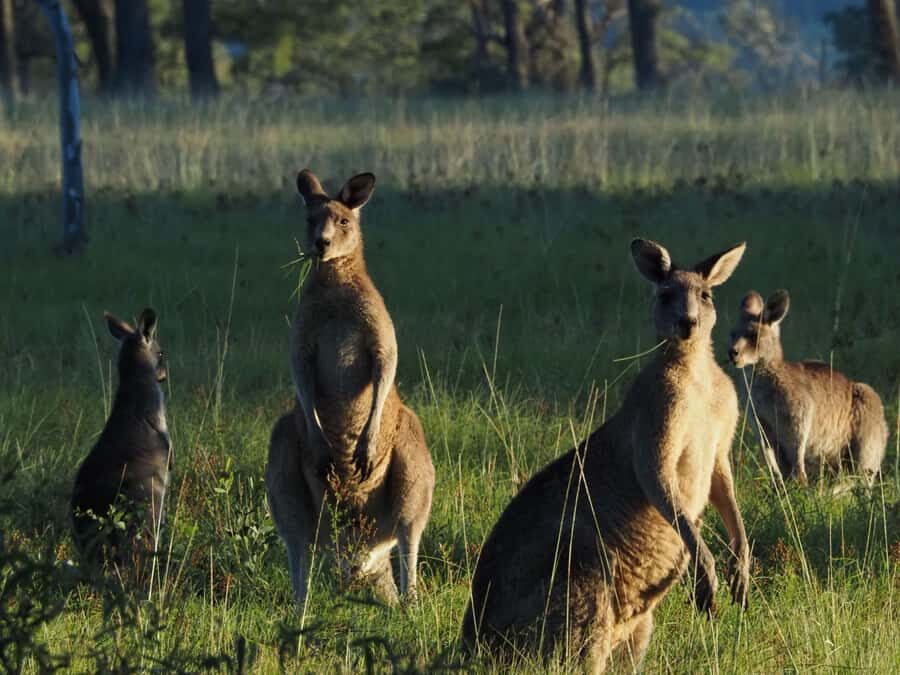
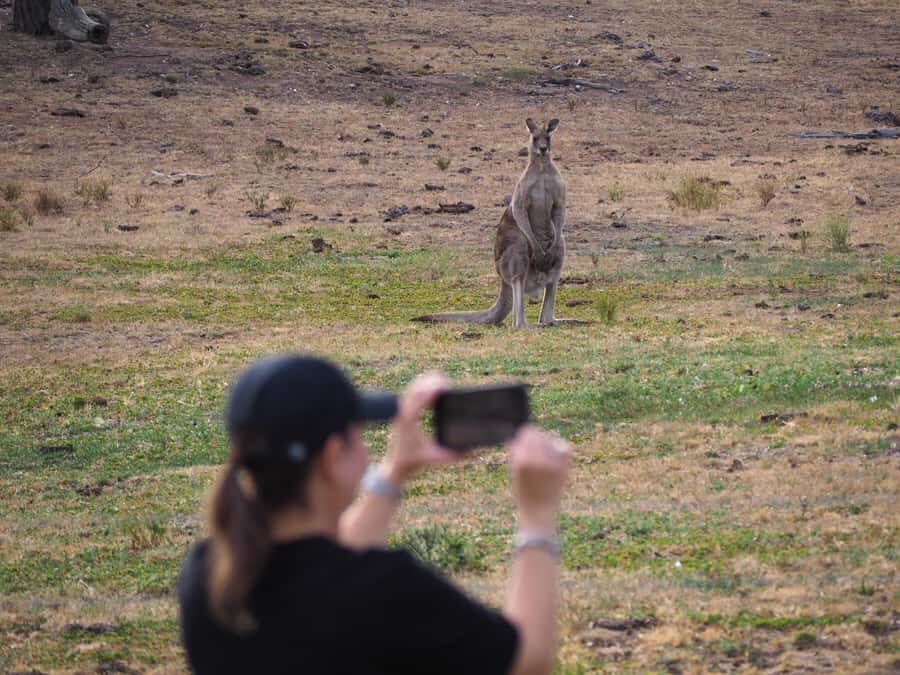
As the day shifts toward late afternoon, you’ll move into a different kind of viewing—more classic Australian mammal territory. This is when kangaroos often show up grazing, usually with the kind of calm that makes them surprisingly photogenic.
You’ll also watch for wallabies, which tend to dart through undergrowth. That behavior is part of what makes them exciting: they’re often closer than you think, but they don’t stay in the open for long. It helps to slow down your own movements so you can track motion instead of startling animals away.
You may also encounter emu, adding another layer of “wow” to the day. Even when you don’t see one immediately, the guide can help you read the area for the signs that emus and other animals have been using it.
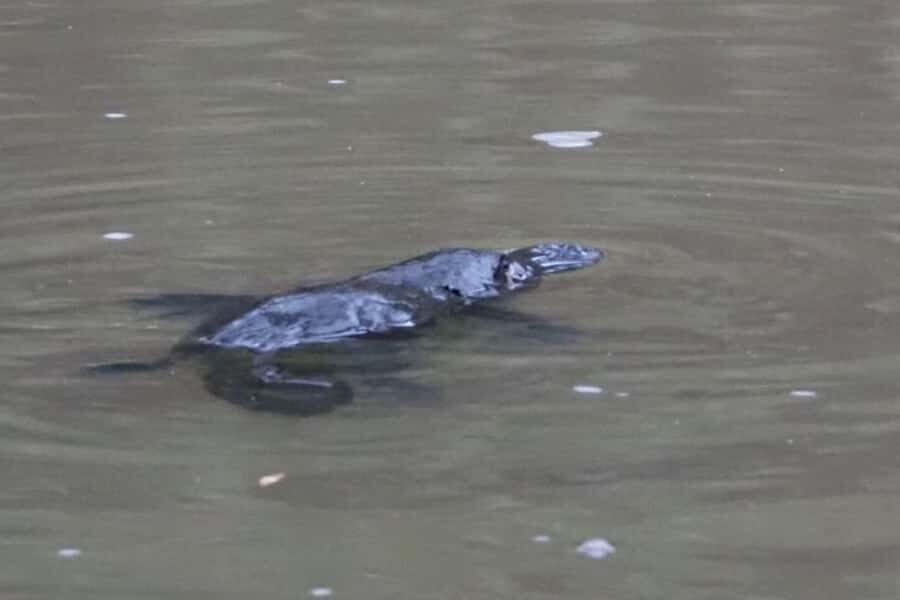
Then there’s the big wildcard: platypus. The tour description makes it clear that it’s not guaranteed. Still, if conditions line up, you might spot platypus feeding in still waters. This part is worth treating like a bonus rather than a promise. If you go in expecting a maybe, you’ll enjoy the entire journey more.
Historic Pub Dinner and a Reset Before the Night Hunt
After dusk comes dinner at a historic country pub. You’ll have a hearty country-style dinner, and your meal includes a drink from the bar. This stop is more than food. It’s your reset between daylight scouting and night spotlighting.
I like that the tour keeps you fed and comfortable before it asks you to stay alert in cooler evening conditions. Also, dinner helps you recharge cameras and phones, and you can compare notes with your small group in a relaxed way.
Then it’s back out to the hunting. The night portion is what makes this tour feel like more than a standard daytime animal walk.
You can also read our reviews of more tours and experiences in Sydney

Spotlighting After Dark: Wombats, Possums, and Feathertail Gliders
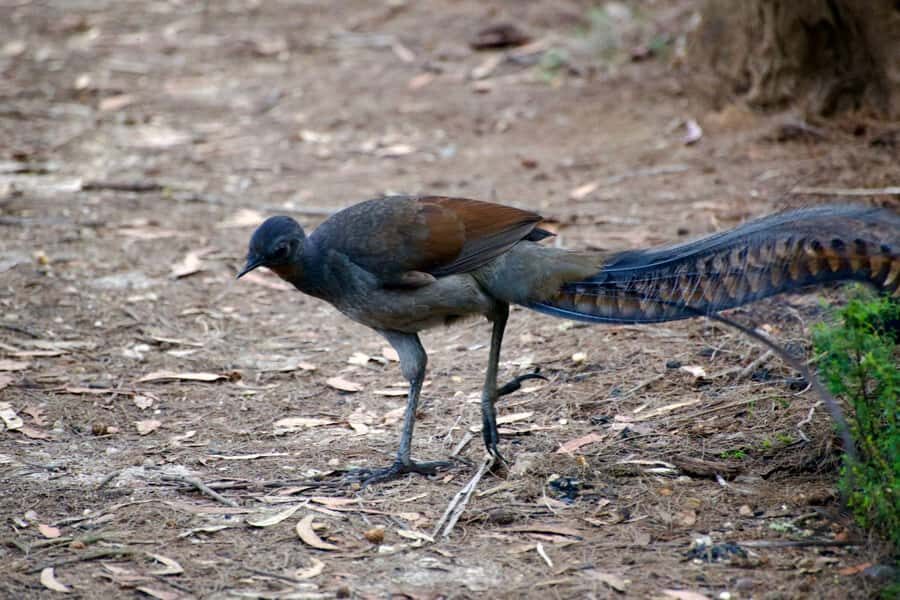
At night, you head out armed with handheld red spotlights, designed specifically for nocturnal wildlife viewing. Red light matters because it’s less disruptive than harsh white beams, and it helps you keep animals comfortable enough to keep doing what they’re doing.
This is the section where you’re searching for wombats—often seen moving across moonlit clearings. You might also spot possums feeding in treetops, which is a very different kind of viewing than ground animals. Then there are feathertail gliders, the tiny flier you’re looking for as they move through the night.
In the clearest terms: night spotting is where patience pays off. You’ll pause, scan, and let the guide direct you. The payoff is that the landscape transforms after dark. It’s not just “more animals,” it’s a whole different rhythm of activity.
From recent firsthand feedback shared with this tour, guides such as Emma are particularly strong at helping you find what’s out there. People have highlighted how she points the group toward likely spots and keeps the experience lively while answering questions and making the night feel easy to follow. That’s the difference between struggling to spot movement on your own and actually seeing animals with confidence.
How Much Value You’re Getting for $300
At $300 per person for a 10-hour outing, it’s not the cheapest activity on your Sydney calendar. But it’s also not just paying for a bus ride and a wildlife promise.
Here’s what you’re getting value-wise:
- Small-group experience capped at 8 (less crowding when an animal appears)
- Comfortable air-conditioned transport from central Sydney
- Binoculars, handheld spotlights, and wildlife reference guides so you’re equipped
- Lunch and dinner included, plus a drink at the pub
- A friendly, live English-speaking guide focused on spotting and tracking
If you compare that to piecing together separate transport, wildlife access, and gear rentals, the cost starts to make more sense. It’s especially fair for night spotlighting, because that gear and technique is harder to replicate independently.
If you’re the type who enjoys nature with a plan—rather than luck-chasing—this price is easier to justify.
What to Bring (and What to Wear) for Real Wildlife Walking
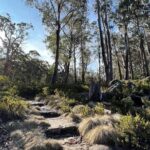
You’ll be outside for most of the day, and the tour expects you to handle short stretches of walking. The guidance is that participants should be able to walk about 1 km at a time, including over steep, rough, and sometimes slippery trails and river banks.
To make that comfortable, pack the basics:
- Hat
- Sunscreen
- Insect repellent
- Closed-toe shoes
- Comfortable clothes
- Reusable water bottle
Practical tip: wear shoes you trust on uneven ground. Night conditions can make footing feel trickier, and you’ll want your focus to be on wildlife, not on balancing.
Who This Safari Best Suits
This is ideal if you want authentic wildlife time and you’re willing to walk a bit. You’ll enjoy it most if you:
- Like guided spotting with real tracking advice
- Enjoy both birds and mammals
- Want a small-group experience rather than a large bus crowd
- Are excited by the possibility of nocturnal animals, not just daytime sightings
It is not suitable for children under 12. Also, the tour includes alcohol at dinner, and the minimum age to consume alcohol is 18, with photo ID possibly requested.
Final Call: Should You Book the Sydney Wildlife Safari?
If you want a single day that covers day birds + kangaroos and wallabies + night spotlighting, I think this is a strong booking. The small group size, included spotting gear, and structured tracking lesson are what separate this from a generic nature tour.
I’d skip it only if you know you won’t handle the uneven, sometimes slippery walking. And if you’re only coming for platypus, treat it as a bonus rather than a sure thing.
If you match the walking level and you’re excited to learn how to spot wildlife instead of just hoping to see it, book it. This is the kind of day that makes Australia’s wildlife feel close, not distant.
FAQ
Where does the tour meet in Sydney?
It meets out the front of the Sydney Harbour Marriott Hotel, Circular Quay, at 30 Pitt St.
How long is the experience?
The tour runs for about 10 hours.
What animals can you expect to see?
You may see wild kangaroos, wallabies, emu, colorful parrots and other birds like kookaburras, and nocturnal animals such as wombats and possums. The tour also mentions a chance to see platypus.
Is the group size large?
No. The experience is capped at 8 participants for better wildlife spotting opportunities.
What meals are included?
You get a light lunch (gourmet wraps, juice, and water) and a pub dinner with a drink from the bar.
What spotting gear is provided?
Binoculars, handheld spotlights, and wildlife reference guides are included.
What should I bring and what walking ability is required?
Bring a hat, sunscreen, insect repellent, closed-toe shoes, comfortable clothes, and a reusable water bottle. You should be able to walk about 1 km at a time, including over steep, rough, and sometimes slippery trails and river banks.
You Might Also Enjoy


More Lunch Experiences in Sydney
More Dining Experiences in Sydney


More Tour Reviews in Sydney
- Blue Mountains Small-Group Tour from Sydney with Scenic World,Sydney Zoo & Ferry
★ 5.0 · 3,709 reviews