REVIEW · SYDNEY
SEA LIFE Sydney Aquarium Entry Ticket
Book on GetYourGuide →Operated by Merlin Entertainments Group · Bookable on GetYourGuide
Sydney’s aquarium is a rainy-day lifesaver.
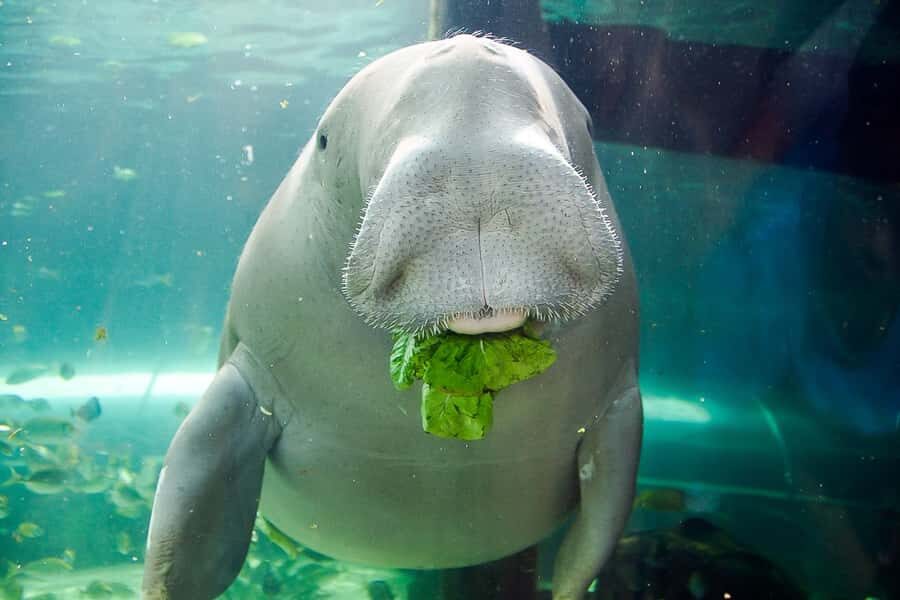
I like the sheer variety—you’re looking at sharks, dugongs, turtles, stingrays, penguins, seahorses, and more—plus the real wow factor of walking through an underwater tunnel. It’s also in the middle of the action at Darling Harbour, so you can pair it with an easy day in the city. One drawback to plan around: the place can get crowded, so go early if you don’t want to feel like you’re watching through other people’s shoulders.
SEA LIFE Sydney Aquarium sits on the city side of Darling Harbour, so it’s simple to reach and easy to fit into your Sydney rhythm. Over the course of your ticketed day, you’ll move through multiple themed areas—Great Barrier Reef tanks, Southern Oceans penguin viewing, and creature feed times—so you’re not doing one long hallway and calling it a day. And yes, the animals really are the main event here.
In This Review
- Key things to know before you go
- Entering on the city side of Darling Harbour: getting there fast
- Skip the line and plan your 1-day time window
- Underwater tunnel magic: what it feels like inside
- Big-hitters: sharks, stingrays, turtles, and the Great Barrier Reef display
- Southern Oceans and Aussie oddballs: penguins, platypus, and seahorses
- Creature features and feeding times: dugongs, spider crabs, and more
- Pacing your visit: how long to spend and how to avoid burnout
- Price and value: is $31 a fair deal?
- Where this fits best in your Sydney itinerary
- Who should book the SEA LIFE entry ticket
- Should you book this ticket?
- FAQ
- Where is SEA LIFE Sydney Aquarium located?
- How do I get there from Circular Quay?
- How long is the visit?
- What’s included with the SEA LIFE Sydney Aquarium entry ticket?
- Is a guided tour included?
- What animals and exhibits can I expect to see?
- Are flash photography and pets allowed?
Key things to know before you go
- Skip-the-ticket-line access so you spend more time looking at animals and less time standing around.
- Underwater walking areas that make the sharks and rays feel closer than you expect.
- A mix of big exhibits and smaller finds like the platypus area and seahorses.
- Feeding times and creature features add energy to the walk-through.
- Darling Harbour location means easy transport and an easy add-on to your Sydney day.
- Crowds are real on peak days, so your timing matters.
Entering on the city side of Darling Harbour: getting there fast
SEA LIFE Sydney Aquarium is on the city side of Darling Harbour. That matters because Darling Harbour is set up for visitors: you’re close to hotels, transit links, and other attractions. If you’re staying in the CBD, you’re basically talking about an easy stroll—about 5 to 10 minutes down Market Street or King Street.
If you’re coming from Circular Quay, head to Circular Quay Wharf 5. Services to Darling Harbour run about every half hour. Then it’s just a short walk to the aquarium entrance. It’s a simple route, and simple routes are what you want in a city that can be traffic-heavy.
Practical tip: think of this as a “start early” activity, not a “later in the day” activity. If you’re hoping for calmer viewing around the popular tanks (sharks, penguins, and the big tunnel sections), arriving near opening time pays off.
You can also read our reviews of more tours and experiences in Sydney



Skip the line and plan your 1-day time window
Your ticket is valid for 1 day, and you’ll want to check available starting times. The big value here is the skip the ticket line feature, which is exactly the kind of benefit that turns an okay outing into a smooth one.
You’re still walking into a public attraction, so you’ll see lines at peak times. But skip-the-line access helps you avoid the slow part and get into the exhibits sooner—when the crowds are lighter and your brain is less tired.
Also note the rules that can trip people up:
- Flash photography isn’t allowed, so be ready to go phone-camera mode without the flash.
- Smoking isn’t allowed, and pets aren’t allowed (assistance dogs are fine).
- Bare feet aren’t allowed.
- No unaccompanied minors, and no skateboards or bikes.
It sounds strict, but it usually means the aquarium stays comfortable and focused on viewing.
Underwater tunnel magic: what it feels like inside
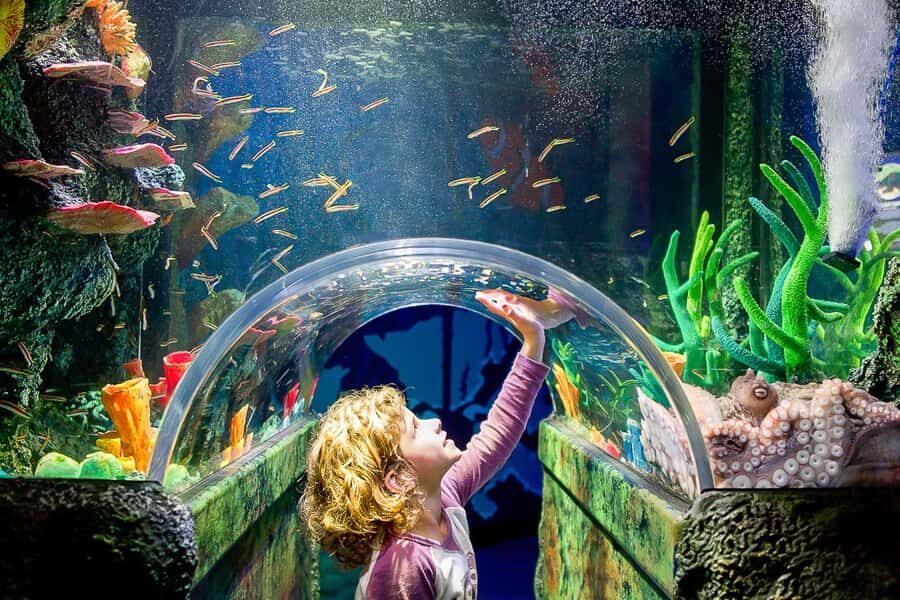
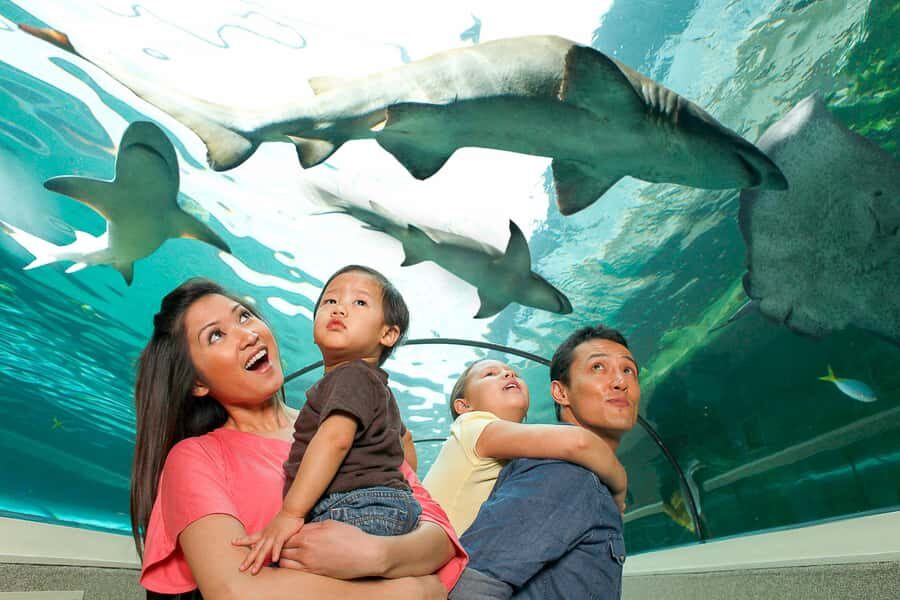
One of the strongest reasons to go is the experience of walking through underwater areas. Instead of just staring at animals from a single viewing strip, you get those moments where the glass turns into an immersive corridor. That’s where sharks, rays, and other larger animals feel less like “separate exhibits” and more like you’re in their space.
This is also where the aquarium does something smart for families and first-timers: you get payoff right away. Your brain doesn’t have to wait hours to get the best views. You’re seeing standout tanks early enough to keep momentum.
What you’ll want to watch for: your best sightlines will change as you move. If a tunnel section feels packed, don’t fight it. Step aside, let the flow pass, and come back when the cluster shifts. The aquarium layout encourages a steady walk, but crowd patterns can still make you feel stuck if you pick the wrong moment.
Big-hitters: sharks, stingrays, turtles, and the Great Barrier Reef display
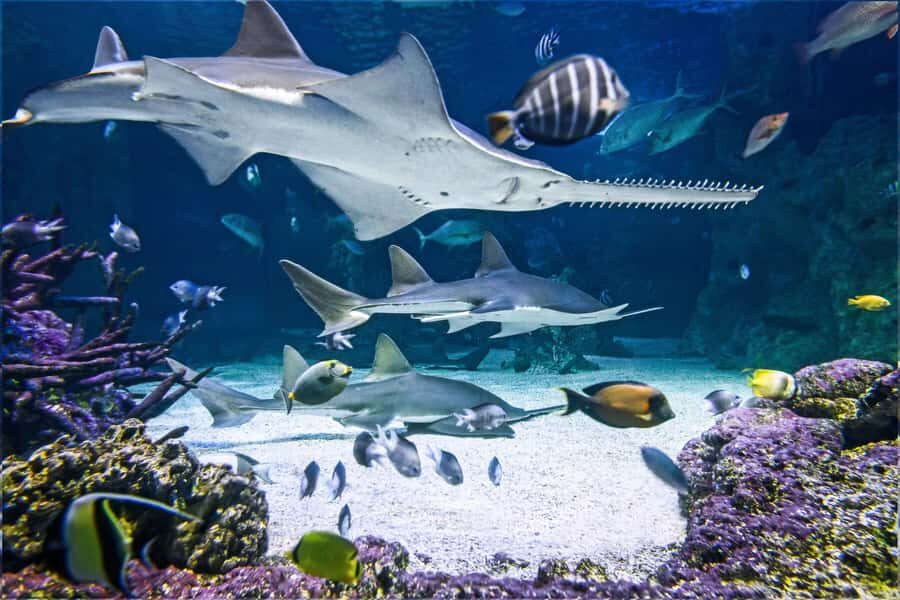
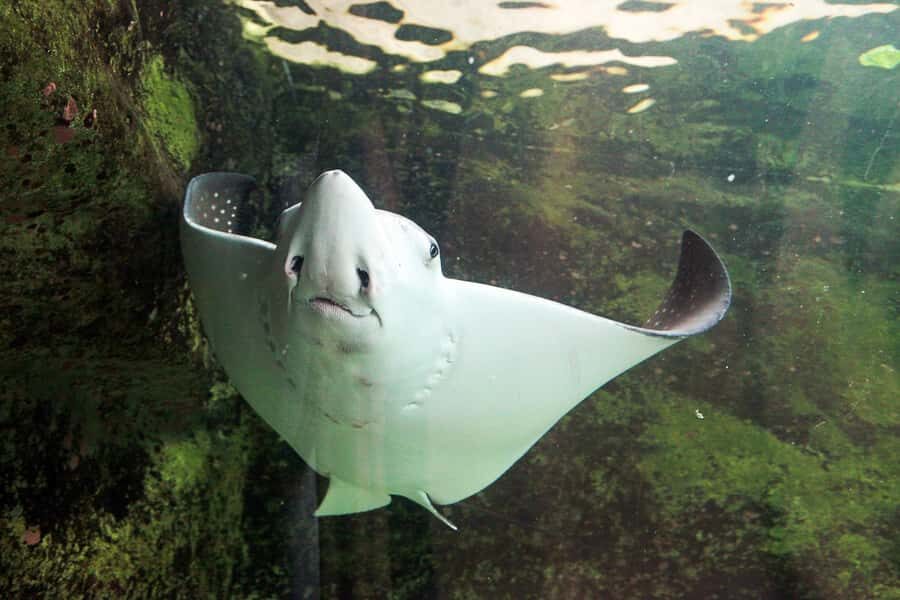
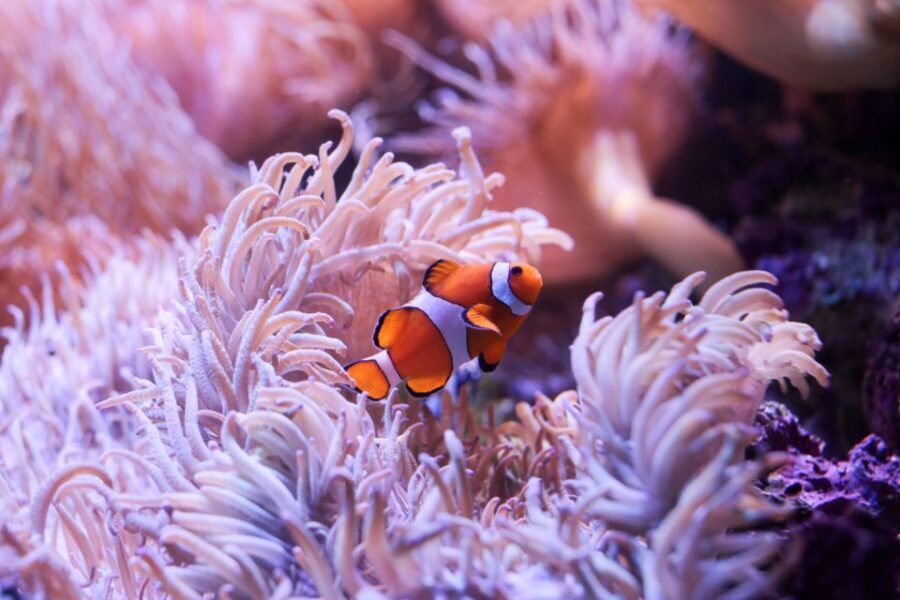
If you came for the recognizable names, this is where SEA LIFE Sydney delivers. Expect sawfish among tropical fish, sleek sharks in a big display, and stingrays and turtles in the major viewing zones. The Great Barrier Reef exhibit is a centerpiece tank, and it’s one of those areas that helps the whole visit feel themed—not random small exhibits.
Here’s how to make this section work for you:
- Don’t try to “finish” every animal tank in order. Instead, pick 2 to 3 must-see zones and let the rest be bonus.
- Spend a little longer where you can see full-body movement. With rays and sharks, the best moments are often when they glide through the center of the tank, not when they’re hidden near the bottom or corners.
You’ll also notice how well some tanks support different viewing angles. If you’re only standing at one spot, you’ll miss the animal when it changes direction. Rotate your position rather than changing your speed.
Southern Oceans and Aussie oddballs: penguins, platypus, and seahorses
SEA LIFE doesn’t just stick to “ocean animals that everyone already expects.” It also highlights local and iconic Australian life.
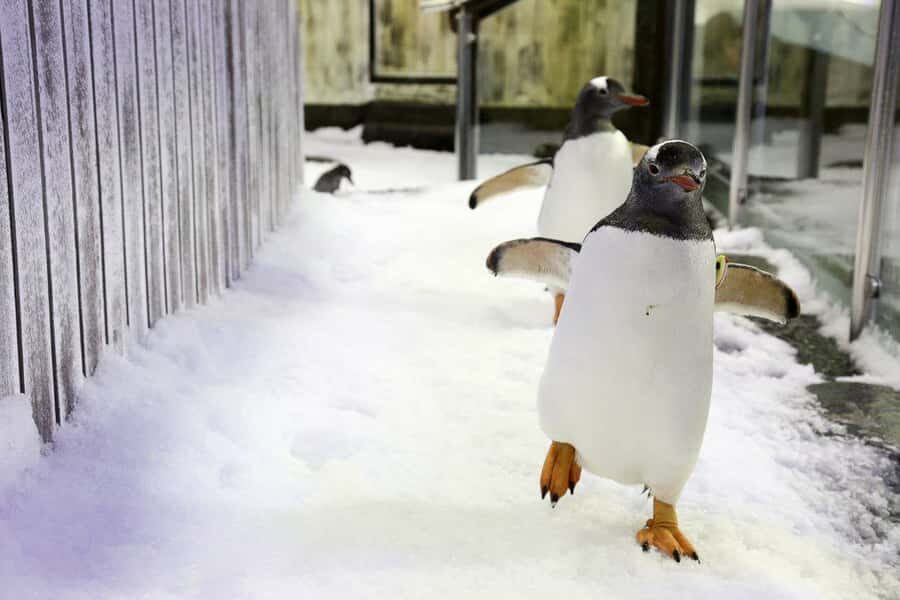
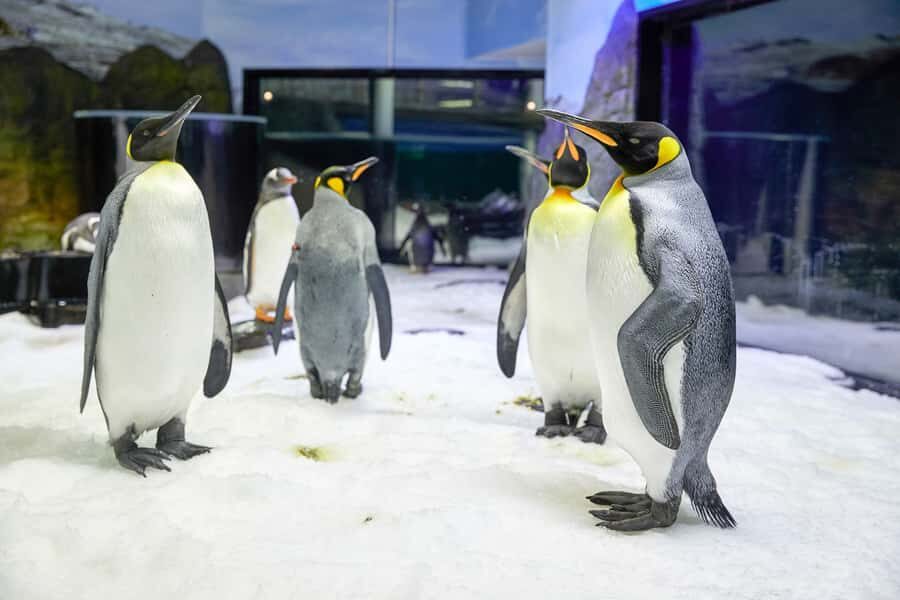
The Southern Oceans penguin area is a standout in a very practical way: penguins are designed for instant attention. They move differently than fish, they hold your gaze, and you can see behavior changes as you watch. If you’re visiting with kids, penguins are the easiest way to get that early “yes, this is worth it” feeling.
And then there’s the platypus angle. The description calls out that it can be secretive, which is honest—and useful. That means you shouldn’t assume you’ll always see it immediately. Give the area a second chance. Look for slow changes: the “showing up” moments are often when people nearby finally drift away.
Seahorses add a different texture to the visit. They don’t have the same dramatic size as sharks, but they’re fascinating up close—and they’re a nice break when you’ve spent time watching fast-moving predators.
- Blue Mountains Small-Group Tour from Sydney with Scenic World,Sydney Zoo & Ferry
★ 5.0 · 3,709 reviews






Creature features and feeding times: dugongs, spider crabs, and more
Part of the fun here is that the aquarium isn’t just static viewing. You’ll run into moments designed around behavior, including feeding and special exhibits.
You may see:
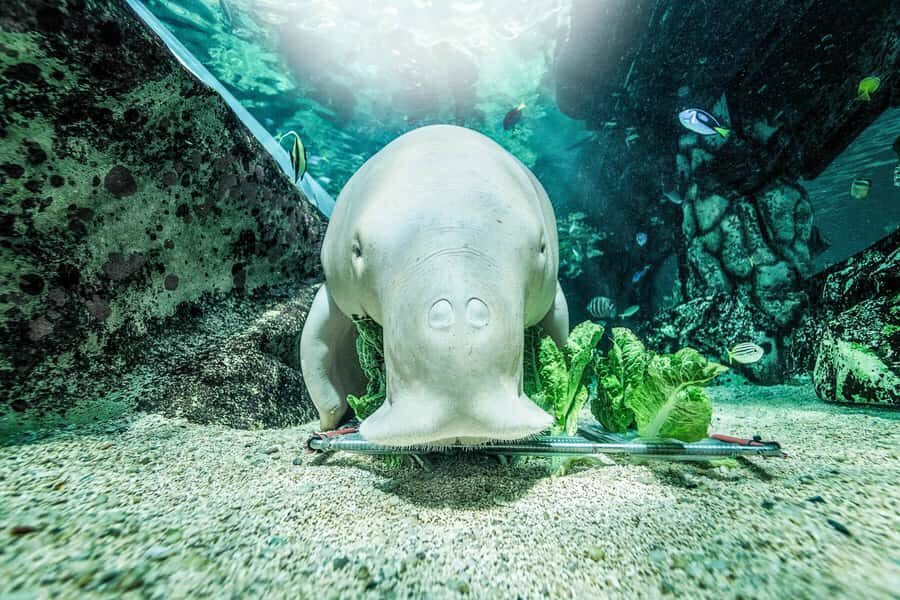
- Dugongs feeding (a big draw because it’s close-up and because the animals move with that slow, heavy confidence)
- CLAWS creature feature, which includes Japanese Spider Crabs
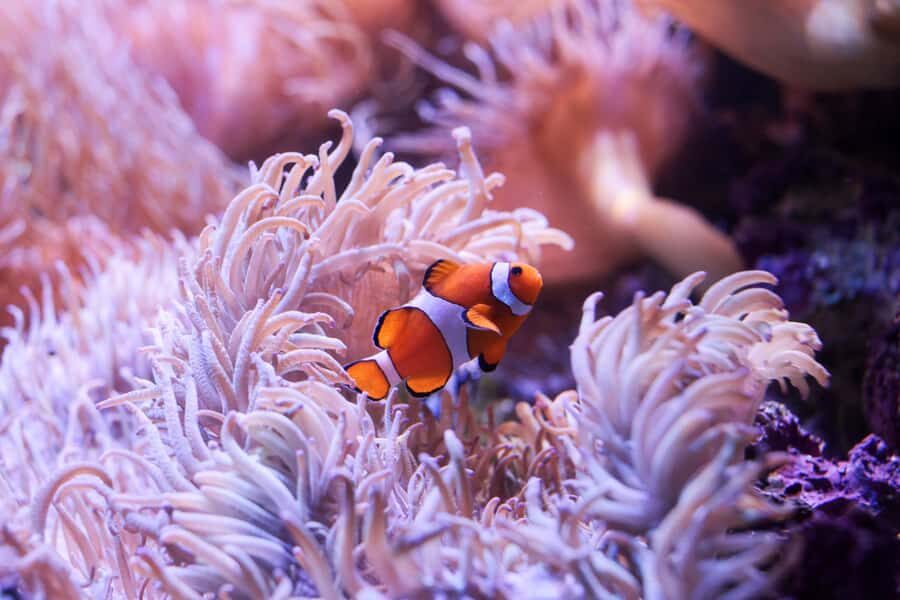
- A “find Nemo” themed coral home (it’s the kind of familiar anchor that helps younger visitors navigate the bigger exhibit logic)
- Sea dragons, which are a great reminder that the “ocean look” can mean lots of different body plans, not just fish and turtles
How to enjoy feeding/feature moments without losing the rest of your day: check your pace. If you stop everything whenever there’s a call-and-response moment, you can spend half the day waiting in the wrong place. Instead, treat these moments like peaks. Watch for them, but keep your route flexible.
One smart strategy: once you learn where the popular “quiet pause” areas are (like where people tend to cluster), you can plan your next stop accordingly.
Pacing your visit: how long to spend and how to avoid burnout
The ticket is a 1-day visit, but you still need a plan, because aquariums can feel long when you’re doing it at a sprint pace.
A good approach:
- Start with your top two priorities (for many people: sharks/rays and penguins).
- Then spend time where you can watch behavior instead of just looking at a tank label.
- Build in a break when your legs start to protest. You’re walking ramps and stairs, and you’ll want energy for the tunnel and the big displays.
Crowds can change everything. On busier days—especially holidays and school periods—the aquarium can get packed. That’s when your “watch the flow” approach matters most. Don’t try to stand exactly where you can see everything at once. Move a bit. Let the crowd pass. You’ll often catch a better angle once the main group shifts.
If you’re planning with kids, remember their attention span is shorter than your curiosity. Penguina + tunnel sections can reset moods quickly, so plan for those as your “rewards.”
Price and value: is $31 a fair deal?
At $31 per person, this ticket is priced like a big, established attraction. The real question is value: what do you get for that money?
You get:
- Access to one of the most recognized aquariums in Sydney
- A large collection size—over 12,000 animals and hundreds of species (the listing states 13,000 animals from 700 species, and also notes 650 different species)
- The kind of “experience layers” that matter: tunnels, themed areas, plus creature moments like feeding and creature features
- Skip-the-ticket-line entry, which is a very tangible time-saver
So is it worth it? For animal lovers and families, it usually is, because the day has enough variety that you don’t feel stuck in one repeating vibe. For people who only want a quick look at a couple of tanks, it might feel like more money than needed—because this is a full walkthrough type of outing.
My rule of thumb: if you’re staying in Sydney for more than a couple of days, this is an easy “yes.” If you’re squeezing in just one attraction and you’re picky, spend 10 minutes thinking about what you want most—penguins, sharks, or local creatures like platypus—then decide based on that.
Where this fits best in your Sydney itinerary
This is an activity that works in multiple situations:
- Rainy day plan: it’s indoors, and it doesn’t depend on weather.
- Family-friendly core activity: penguins and the big tanks land well for kids.
- First-time Sydney attraction: Darling Harbour keeps it convenient, and it’s easy to combine with other nearby stops.
- Short attention span friendly: even if you don’t read every label, you’ll still get those animal moments that stop you in your tracks.
If you’re pairing it with other Darling Harbour time, plan your aquarium visit so it doesn’t get squeezed at the end of a long day. It’s better when you can move at a calm pace and actually watch.
Who should book the SEA LIFE entry ticket
I’d book this if:
- You want sharks and rays plus penguins in one day
- You’re traveling with kids or you prefer a walk-through attraction that keeps visual energy high
- You care about conservation-style animal education, but you also want entertainment
- You like the idea of an indoor attraction that’s easy to reach from the CBD
I’d think twice if:
- You hate crowds and only want a quiet experience
- You’re not into aquariums and would rather spend your limited time elsewhere
- You’re visiting during peak school holidays and can’t adjust your arrival time
Should you book this ticket?
Yes—if your priority is a classic Sydney family attraction with big tanks, a memorable tunnel, and plenty of animal variety. The skip-the-line perk and the underwater walk-through are the kind of practical wins that make the day feel smoother.
If you can, aim for an early arrival so you can actually enjoy the viewing spaces rather than constantly searching for a gap to see through.
Also, check today’s opening hours before you leave. The visit is one day, but timing affects comfort, and comfort affects how much you enjoy the animals.
FAQ
Where is SEA LIFE Sydney Aquarium located?
It’s located on the city side of Darling Harbour.
How do I get there from Circular Quay?
Services to Darling Harbour depart from Circular Quay Wharf 5 about every half an hour. From there it’s a short walk to the aquarium.
How long is the visit?
The ticket is valid for 1 day.
What’s included with the SEA LIFE Sydney Aquarium entry ticket?
The ticket includes entry to SEA LIFE Sydney Aquarium.
Is a guided tour included?
No guided tour is included.
What animals and exhibits can I expect to see?
The aquarium features sharks, dugongs, platypus, stingrays, penguins, seahorses, turtles, jellyfish, sea dragons, sawfish, and more. It also includes a Great Barrier Reef display.
Are flash photography and pets allowed?
Flash photography isn’t allowed, and pets aren’t allowed (assistance dogs are allowed).
You Might Also Enjoy


More Tickets in Sydney



More Tour Reviews in Sydney
- Blue Mountains Small-Group Tour from Sydney with Scenic World,Sydney Zoo & Ferry
★ 5.0 · 3,709 reviews