REVIEW · SYDNEY
Whale Watching Boat Trip in Sydney
Book on Viator →Operated by Whale Tales · Bookable on Viator
Whales in Sydney, with close views. This 2.5-hour whale watching boat trip takes you from Darling Harbour out past the Harbour Bridge and Opera House, then into open water where humpbacks migrate each season. I like that the small vessel keeps things personal and helps you spot action faster.
I also love the way the crew builds the trip around what you can actually see, with live on-board commentary and real whale focus. One possible drawback: you should be ready for breezy, wet conditions and the reality that the ocean can feel bouncy, so plan for motion sickness if you’re sensitive.
You’ll start with big Sydney postcards from the water, then switch gears to whale spotting with an experienced team. If you don’t see whales, you either get a free return cruise or a whale sighting guarantee promise, which is a comfort when you’re paying for a specific animal experience. Just keep expectations grounded: humpbacks are wild animals, so the crew can’t control where they surface, even when they work hard to find them.
In This Review
- Whale Watching Boat Trip in Sydney: Key things you’ll notice
- From Darling Harbour to Open Ocean: what this trip feels like
- City Views First: Harbour Bridge and Opera House from the water
- Whale Spotting Outside the Heads: how humpbacks show up
- On-board commentary, crew teamwork, and whale education
- Small boat, small group: better viewing (and why it matters)
- What to pack: rain, spray, and seasickness planning
- Stop-by-stop flow: what happens during the ride
- Price and value: is $99.70 worth it?
- Weather, safety, and how the day can change
- Who this tour suits best (and who should choose something else)
- Should you book this whale watching tour in Sydney?
- FAQ
- How long is the whale watching cruise?
- Where does the tour start?
- Do you offer a whale sighting guarantee?
- Is there a free return cruise if I do not see whales?
- Can I choose a morning or afternoon departure?
- How big is the group on board?
- What should I bring for comfort on the water?
- Is the trip dependent on weather?
Whale Watching Boat Trip in Sydney: Key things you’ll notice
- Whale sighting guarantee or you’ll return for free if you miss whales
- Small-group format (up to 30) for better viewing and less crowding
- Darling Harbour to open ocean route, including under the Harbour Bridge
- Live on-board commentary that helps you understand what you’re seeing
- Photo help on board, with at least some trips featuring a photographer
- Weather and sea-condition reality check, so pack for spray and wind
From Darling Harbour to Open Ocean: what this trip feels like
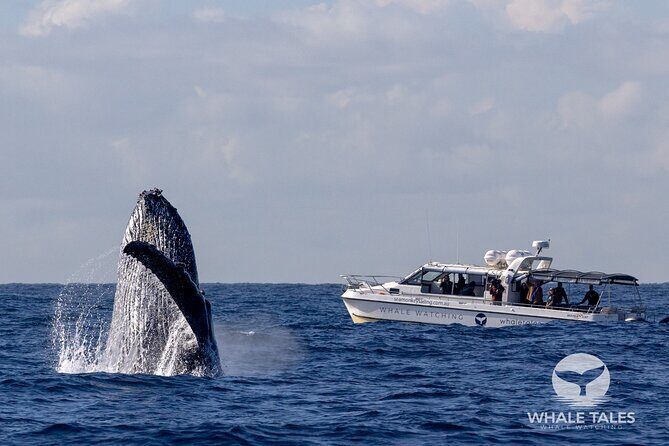
This is a whale watching tour that starts in the middle of Sydney’s waterfront action and quickly moves into something more wild. You meet at King Street Wharf, Darling Harbour and then board a small boat built for getting close to the water and the action. The whole outing runs about 2 hours 30 minutes, which is long enough to search for whales but short enough that you can still enjoy the rest of your day in the city.
The best part, for me, is the rhythm: you don’t just sit and hope. You cruise past the city sights, then the crew focuses on finding humpbacks outside the harbour. If you’re the type who likes animal encounters with context, this trip’s format makes sense—because the commentary is tied to the hunt, not tacked on after the fact.
Also, the mobile ticket is a small detail that makes a difference when you’re in a busy port area. You get confirmation at booking time, and the experience is capped at 30 travelers, which keeps it from turning into a floating crowd scene.
You can also read our reviews of more boat tours in Sydney


City Views First: Harbour Bridge and Opera House from the water
Before you ever get to whale country, you get the “Sydney” portion in a way most people miss: from the harbour. Your cruise takes you under the Harbour Bridge and past the Opera House, so you’re looking at the skyline with water-level perspective. For first-time visitors, it’s an easy win because you’re ticking off major sights while you’re already on your way to the whales.
Stop timing matters here. The flow is simple—Sydney Harbour setup first, then the departure out toward the open ocean. That gives you a natural split: city views while you settle in, then the whale search once you’re beyond the built-up coastline.
Drawback? If you’re hoping for non-stop wildlife right away, you’ll have some sailing time first. But if you treat this as both a whale tour and a Harbour Bridge/Opera House boat view, the pacing feels fair.
Whale Spotting Outside the Heads: how humpbacks show up
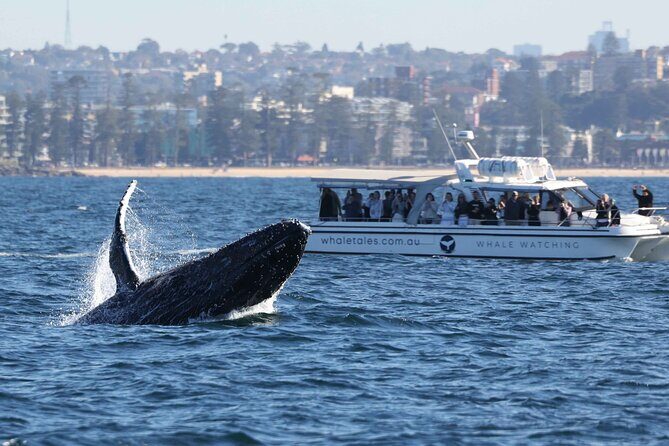
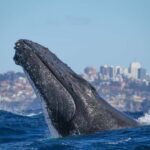
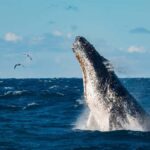
This trip targets migrating humpback whales. The crew heads out past Sydney heads into open water, which is where humpbacks are more likely to surface during migration. The crew’s goal is respectful, close observation while staying focused on safety and animal welfare.
Here’s what’s useful to know: whale watching is part science, part timing. You might see whales quickly, or it might take longer searching. The good news is the operator builds in a whale sighting guarantee. If you don’t see whales, you can come again for free, which helps you avoid the worst-case scenario of paying for a tour that turns into mostly ocean waves.
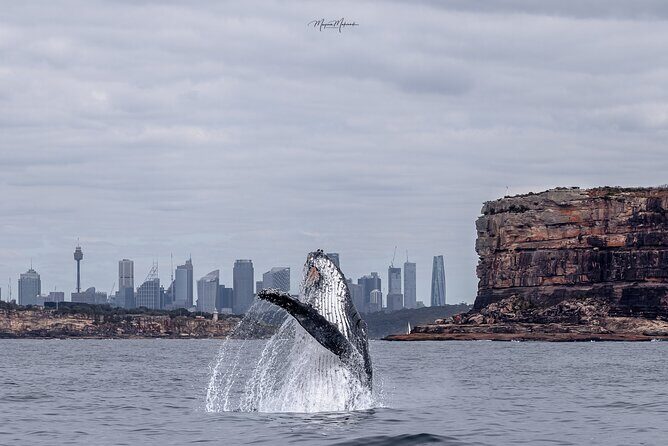
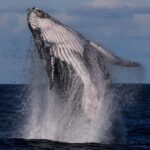
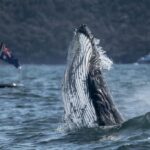
When whales do appear, the experience can be striking. People have reported everything from mother whales with calves to moments where whales surface multiple times, and sometimes you can get a close look. One report even mentioned whales about 15–20 metres away on a smaller-group outing, and other trips included breaching behavior. Of course, those sightings aren’t guaranteed, but they show what the crew is capable of when conditions and whale location line up.
You’ll also see other marine life. Several outings included dolphins alongside whale sightings, especially during the journey in and out. That means even if the humpbacks are quieter than expected, you’re still likely to spot something alive and interesting out on the water.
On-board commentary, crew teamwork, and whale education
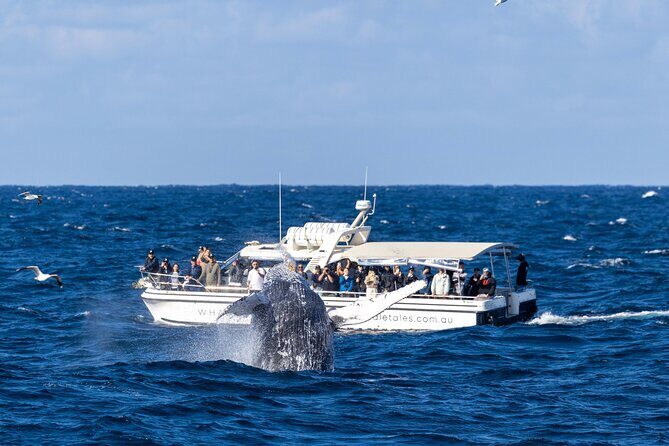
The tour isn’t just about pointing at animals. It’s about helping you read what you’re seeing. The live on-board commentary is a big reason people rate this tour so highly, because it turns whale sightings into learning moments you can take home.
The crew includes people with deep whale experience, and the trip’s tone is friendly and hands-on. Names that come up often include Rex, Isaac, Mette, Mawi, and Alex (sometimes as a photographer). You’ll hear stories about whale behavior and migration, and you’ll get practical guidance on how to improve your odds of spotting.
One very real detail: the crew encourages movement. Instead of everyone stuck sitting, they may ask you to stand up and move around so more eyes can cover the water. If you’re trying to manage motion sickness, this can be a trade-off—standing helps with spotting, but it may feel harder if you’re already queasy. Still, it’s a smart approach because spotting often depends on where your gaze is and how quickly you react when a whale surfaces.
Crew teamwork also matters. On at least some departures, the captain keeps in touch with other skippers in the area to coordinate where whales are being spotted. That kind of real-time coordination is a big reason the search can get more efficient once a pod is located.
Small boat, small group: better viewing (and why it matters)
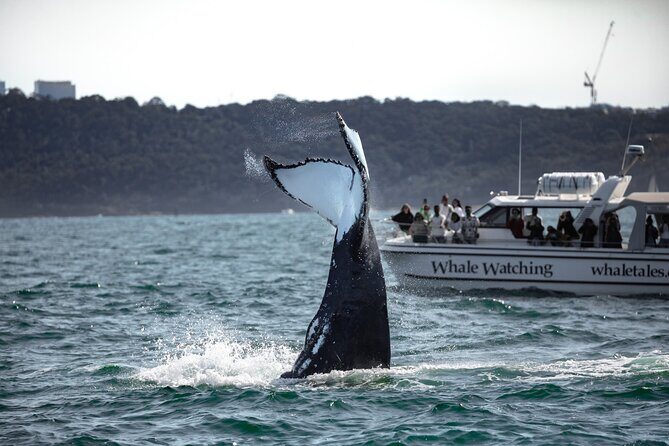
This is where the tour quietly earns its value. The experience is limited to a maximum of 30 travelers, and several departures run as small groups (one report mentioned about 14 passengers). On a large vessel, you can end up with a view that feels distant—like you’re watching wildlife through glass. On a smaller boat, you feel the water more, and your line of sight tends to be more direct.
That matters for whale watching because whales don’t surface on a schedule you control. If a whale pops up and you’re too far away, too crowded, or too blocked by other passengers, you may miss the moment. Smaller groups reduce the “crowd factor” and increase the chance you’ll actually notice the blow, the spout, or the movement before it disappears.
It also keeps the boat’s energy calmer. People mention friendly, welcoming staff, and the vibe tends to feel like a guided outing rather than a factory tour. If you’re traveling with kids, that matters because whale watching is exciting but also a lot of sitting and scanning. With fewer people aboard, the crew can give more individual attention.
You can also read our reviews of more whale watching tours in Sydney


What to pack: rain, spray, and seasickness planning
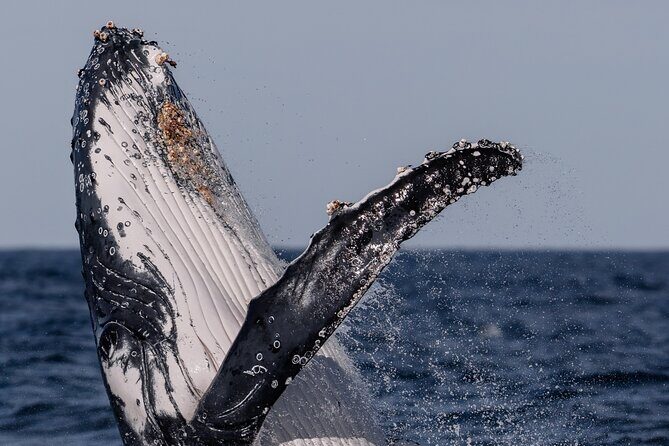
You’re going to be on the water, so pack like it might rain and like you might get wet. People specifically recommend bringing a rain jacket and a hat, and it’s smart to wear waterproof shoes. Some outings can get you pretty soaked from wave spray, and there’s usually nothing you can do about that once the sea starts moving.
I also recommend you bring a small change plan. One report described getting drenched and having a chance to change afterward, which is exactly what you want to avoid being stuck with cold or wet clothes after your cruise.
If you’re prone to motion sickness, don’t gamble on willpower. The tour environment can be choppy depending on the day. There are reports of crew helping passengers who feel nauseous, and there’s also mention of following a medication timing suggestion about an hour before heading out. Even if you’re not a frequent motion-sickness person, it’s worth taking seriously because whale watching is longer than a quick harbour cruise.
Practical tip: if the boat staff encourages standing to spot whales, do it carefully. Start by testing where you feel most stable, then move only as needed. Your goal is to watch without turning the whole experience into a battle with your stomach.
Stop-by-stop flow: what happens during the ride
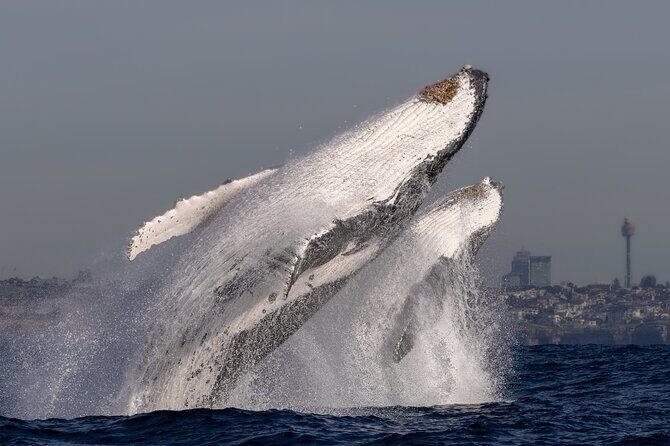
Here’s how the timing generally breaks down, so you can picture your afternoon or morning.
You board at King Street Wharf (Darling Harbour) and head out through Sydney Harbour. You’ll see major sights as you travel. Your route includes passing the Harbour Bridge and the Opera House, giving you a classic Sydney view while you’re still close to shore.
After that, the crew takes you farther out toward open water. This is when the whale search becomes the focus. The on-board team keeps explaining whale behavior while you scan the horizon. The captain looks for the best spot based on whale activity and local guidance from other skippers, when available.
When the trip ends, it returns you to the same meeting point. The whole loop is designed to fit within that roughly 2.5-hour window, so you’re not stuck on the water for half a day.
Price and value: is $99.70 worth it?
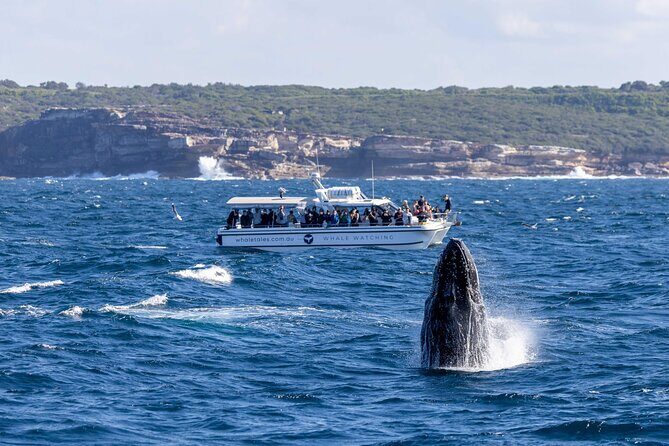
At $99.70 per person, this isn’t the cheapest thing you can do in Sydney. But it’s priced in line with a guided, on-water experience that’s targeting a specific wildlife event, with a sighting guarantee safety net.
Here’s where the value comes from for your decision:
- You’re paying for real search time out toward open ocean, not just staying in harbour.
- You get live commentary that helps you interpret whale behavior, which turns it from a photo hunt into an actual experience.
- The guarantee/return cruise reduces risk. You’re not paying for the chance to see whales; you’re paying for an organized effort to find them, with a follow-up option if the day doesn’t deliver.
- The boat is small-group, which improves viewing and makes the staff’s attention more noticeable.
If you’re short on time, it’s also a strong fit. Several people highlight that it’s ideal when you can’t fit a long multi-hour day trip. You get both Sydney Harbour scenery and a shot at humpbacks in one outing.
If you’re going during a season where humpbacks are actively migrating, the odds are better. If you’re going in off-peak whale months, then you should be extra honest with yourself about your expectations—even with a guarantee, the conditions for seeing humpbacks may be less favorable.
Weather, safety, and how the day can change
This kind of tour is weather-dependent. The experience requires good weather, and if it’s canceled for poor conditions, you’ll be offered either a different date or a full refund. That matters because whale watching success and comfort both hinge on wind, swell, and visibility.
On tougher days, the crew may give a clear heads-up about sea conditions before you go out. One report described the crew warning about choppiness and offering options to change plans before departure. Even when they don’t offer formal changes every time, it’s still a good sign when a crew takes conditions seriously and communicates early.
Safety-wise, the trip is set up for marine viewing rather than thrill-seeking. People mention that the crew handles safety briefings and keeps the experience dignified around the animals. That’s exactly what you want when you’re going close to wildlife.
Who this tour suits best (and who should choose something else)
This whale watching trip works best if you want a mix of city sights and wildlife, and you like guided learning rather than a totally hands-off cruise. It’s also a great fit for families because the format is simple, the staff is friendly, and the commentary keeps kids engaged while adults enjoy the science side.
Choose this if:
- You care about humpback whale migration and want a serious whale-focused outing
- You prefer a small-group boat for better sightlines
- You want a real plan for disappointment via the whale sighting guarantee
Maybe skip it if:
- You know you can’t handle moving boats at all, even with medication
- You’re only in Sydney for a tiny slice of time and can’t spare the chance that the day needs to reschedule due to weather
- You’re expecting guaranteed breaching every time. Wildlife has moods.
Should you book this whale watching tour in Sydney?
I think this is a strong booking for most people who want real whale watching, not just a scenic harbour cruise. The biggest reasons: the small boat feel, the live whale-focused commentary, and the sighting guarantee that protects you if the ocean doesn’t cooperate.
If you’re ready to dress for spray, handle some movement, and spend 2.5 hours scanning the water, you’re set up for a memorable day. If you’re very seasick-prone, make your plan carefully, bring the right gear, and consider medication timing as suggested by the tour’s own guidance habits.
Bottom line: for value + odds + guidance, this is one of the more sensible ways to do humpback whale watching from Sydney without turning it into a full-day ordeal.
FAQ
How long is the whale watching cruise?
It runs about 2 hours 30 minutes.
Where does the tour start?
You meet at King Street Wharf, Darling Harbour (The Promenade, Lime St, Sydney NSW 2000).
Do you offer a whale sighting guarantee?
Yes. The tour offers a whale sighting guarantee or you can come again for free.
Is there a free return cruise if I do not see whales?
Yes, the guarantee includes a return cruise option for free if you do not see whales.
Can I choose a morning or afternoon departure?
Yes, you can choose from morning or afternoon cruises.
How big is the group on board?
The experience has a maximum of 30 travelers.
What should I bring for comfort on the water?
Bring a rain jacket and a hat, and wear waterproof shoes. It can be wet from waves, so having something to change into can help.
Is the trip dependent on weather?
Yes. The experience requires good weather, and if it’s canceled due to poor weather, you’ll be offered a different date or a full refund.
You Might Also Enjoy
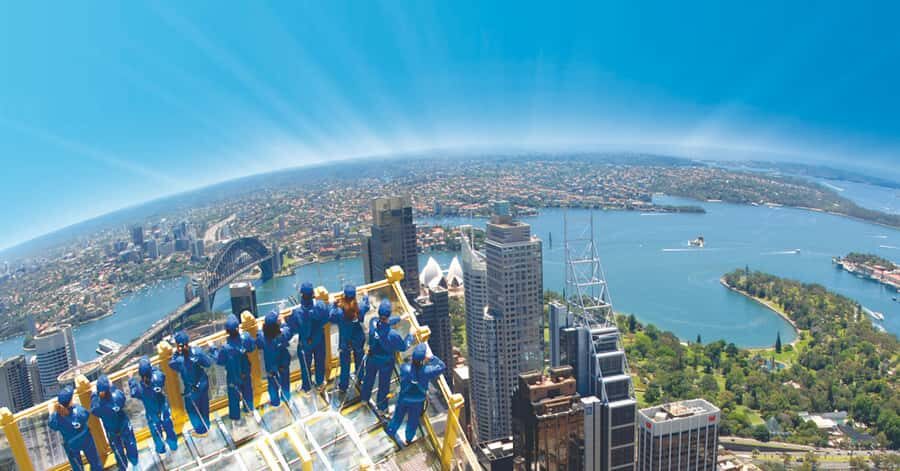
More Whale Watching Tours in Sydney
More Boat Tours & Cruises in Sydney

More Tour Reviews in Sydney
- Blue Mountains Small-Group Tour from Sydney with Scenic World,Sydney Zoo & Ferry
★ 5.0 · 3,709 reviews