REVIEW · SYDNEY
Sydney Fish Market Behind the Scenes Tour
Book on Viator →Operated by Sydney Fish Market · Bookable on Viator
6:00am at the fish market beats a lie-in. You’ll get access to the wholesale auction floor and learn how seafood pricing works through the Dutch auction system. The only real drawback: you’re up early, and you’ll be in workwear gear (hi-vis vest and boots) for the walking.
I like that the whole thing is run by a licensed guide who talks like a professional, not a lecturer. Guides such as Tom and Mike get mentioned for being clear, practical, and genuinely interested in how the seafood trade works, including where it comes from and how it moves to restaurants. Group size stays tight, with a maximum of 15 travelers, so questions don’t get lost.
This is also a great fit if you want your seafood info hands-on. You’ll see product being graded, sorted, and packed, plus live lobsters, mud crabs, and giant tuna, and you’ll get an education on Australia’s approach to sustainable fishing and aquaculture.
In This Review
- Key Things You’ll Notice on This Sydney Fish Market Tour
- Why a Sydney Fish Market Behind-the-Scenes Tour Starts at 6:00am
- Meeting at Glebe: What to Know Before You Go
- The Workwear Touch: Hi-Vis Vest and Boots Matter More Than You Think
- Inside the Auction Floor: Where Seafood Gets Sold
- Grading, Sorting, and Packing: The Steps That Restaurant Food Depends On
- The Dutch Auction System: How Prices Move Fast
- Species on the Floor: Lobsters, Mud Crabs, and Giant Tuna
- Market History and the Big Picture of Seafood in Australia
- Sustainability and Aquaculture Lessons You Can Actually Use
- Price and Timing: Is $57.38 Good Value?
- Who This Tour Suits Best (And Who Might Skip It)
- Should You Book This Sydney Fish Market Behind-the-Scenes Tour?
- FAQ
- How long is the Sydney Fish Market Behind the Scenes Tour?
- What time does the tour start?
- Where do I meet the tour?
- What does the tour cost?
- What’s included in the price?
- Is transportation included?
- Are there age limits?
- Is there free cancellation?
Key Things You’ll Notice on This Sydney Fish Market Tour
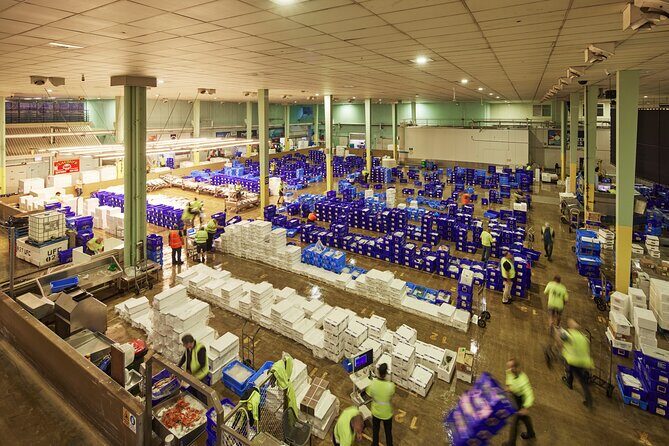
- Access to wholesale areas usually closed to the public, including the auction spaces where fish is traded daily
- Dutch auction explained in real-world terms, so pricing makes sense instead of feeling random
- Small-group experience (max 15) with enough time to ask practical questions
- Grading, sorting, and packing in action, not just seafood facts on a poster
- Live seafood moments, including lobsters, mud crabs, and giant tuna
- Sustainability lessons focused on Australian fishing and aquaculture
Why a Sydney Fish Market Behind-the-Scenes Tour Starts at 6:00am
If you’ve ever wondered how seafood gets from the ocean to a restaurant table, this is the shortcut. The Sydney Fish Market runs like a serious workplace, and the tour is timed to show you the action while the auction system is doing its thing. Starting at 6:00am is part of the point: this is when the market feels most alive and most practical.
You’ll also notice the difference between a tourist fish stop and an actual wholesale operation. On this tour, the focus is on how fishmovers work—how product is handled, how it gets priced, and how decisions get made fast. It’s not slow sightseeing. It’s working tempo with a guide who explains what you’re seeing.
You can also read our reviews of more shopping tours in Sydney

Meeting at Glebe: What to Know Before You Go
The meeting point is 1 Bridge Rd, Glebe NSW 2037, and the tour ends back there. You’ll have a mobile ticket, and confirmation comes at booking. The site is described as near public transportation, which matters because you’ll want a low-stress start before your day begins.
Transportation isn’t included, so plan your route and get there early enough to park your mind (and your coffee) before the market work starts. Since the tour is about 1 hour 30 minutes to 2 hours, you’re not signing up for a full day—just a concentrated slice of how the market runs.
Also note the rules: no children under 13 and most travelers can participate. And there’s a maximum of 15 travelers, so you’ll usually be close to the guide and the action, not shuffled through a crowd.
The Workwear Touch: Hi-Vis Vest and Boots Matter More Than You Think
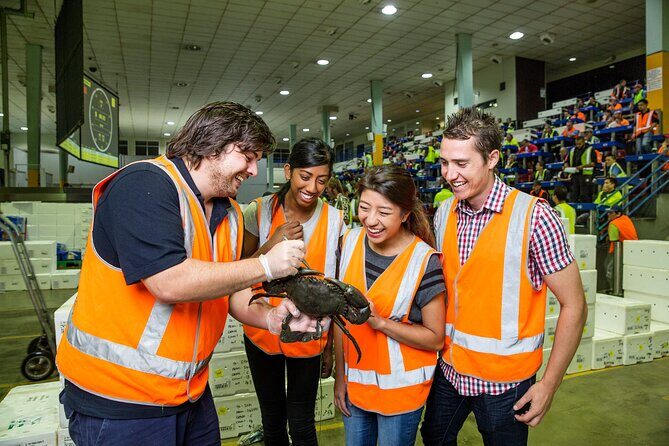
One of the smartest parts of this tour is the included gear: a hi-vis vest and boots. It’s not just for photos. Inside a working fish market, those details reduce confusion and help you navigate areas that are meant for staff, not casual visitors.
It also changes your mindset. In regular sightseeing clothes, you tend to look at things. In boots and hi-vis, you start paying attention to flow—where people walk, where product moves, and how quickly you need to stay aware. Even if you don’t consider yourself a “market person,” the gear cues you into the right attitude.
And because the guide is there to lead you, you’re not stuck guessing what’s safe and what’s not. You just follow the route, listen closely, and ask questions when something catches your eye.
Inside the Auction Floor: Where Seafood Gets Sold
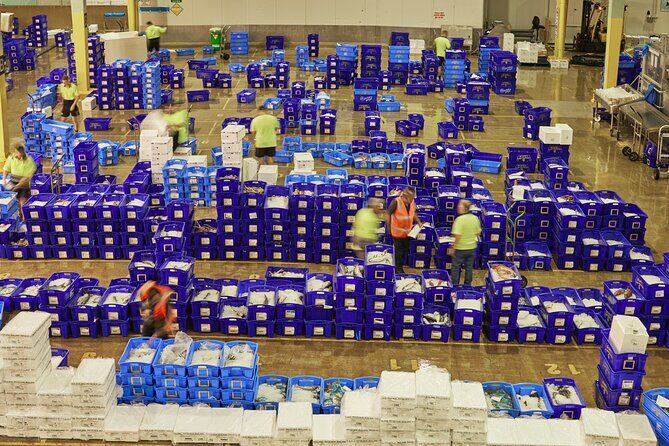
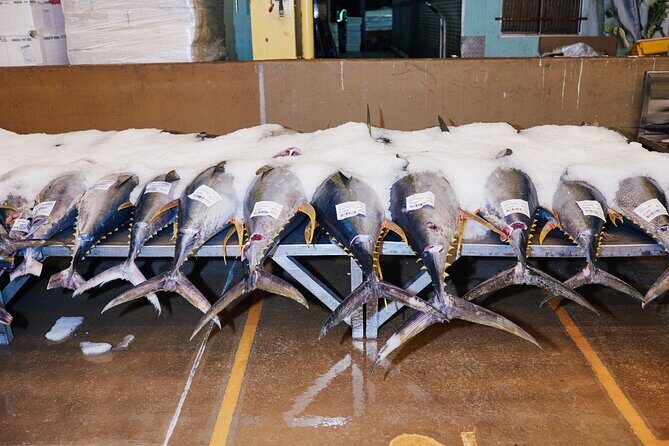
The centerpiece is your guided walk through the 2nd largest wholesale fish auction in the world. This is one of those experiences that’s hard to replace with another kind of tour, because it happens on a real auction floor where seafood is traded daily.
You’ll see the hustle of the wholesale areas—places that are normally closed to the public. That access is a big part of the value. Instead of hearing abstract stories about seafood supply chains, you’re watching the real system: the movement of product, the grading process, and the way everything is staged for buyers and sellers.
This is also where “daily life of a working fishmonger” becomes tangible. You can tell the market runs on routines and speed. Even if you don’t know fish species yet, the guide helps you read the workflow.
A practical expectation: you’ll likely spend the majority of your time inside the market activity zones. It’s a short tour, but it’s focused. You’ll want comfortable posture—standing and walking are part of the deal, especially since you’re in boots.
Grading, Sorting, and Packing: The Steps That Restaurant Food Depends On
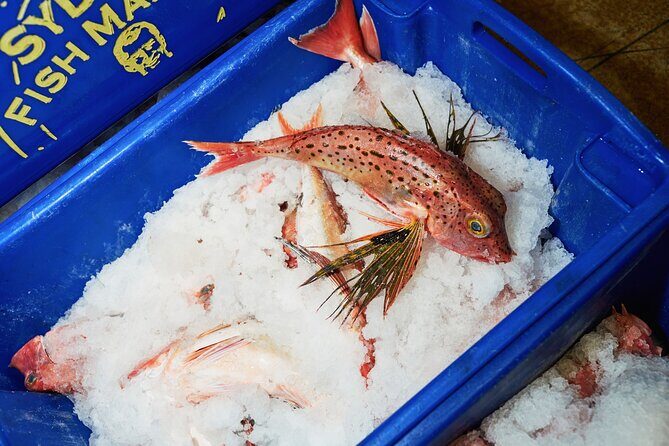
One of the most useful things you’ll learn is how much goes into the product before it hits a menu. On this tour, you’re shown how seafood gets graded, sorted, and packed. That matters more than most people realize, because it affects quality consistency for restaurants and wholesalers.
You’re not just learning names of fish. You’re seeing the logic behind the categories. What gets separated, why it gets handled differently, and how the market keeps product moving.
This is also where the guide’s experience really shows. People have specifically mentioned guides like Tom for being sharp on the industry side—how grading and sales connect to where fish ends up. If you get a guide with hands-on fishing background (Mike has been mentioned for exactly this), you’ll probably get extra context that makes the process feel even more real.
- Blue Mountains Small-Group Tour from Sydney with Scenic World,Sydney Zoo & Ferry
★ 5.0 · 3,709 reviews
The Dutch Auction System: How Prices Move Fast
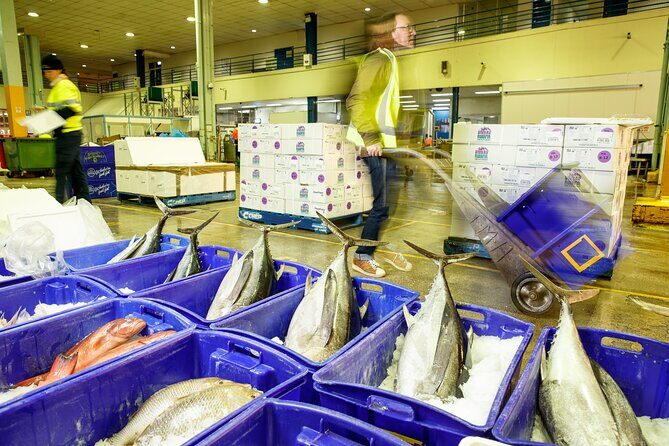
You’ll learn about the Dutch auction system, and this is one of the most interesting parts of the tour because it explains the timing behind price setting. A Dutch-style auction is designed to establish a trading price quickly while buyers make decisions in a fast-moving environment.
The big idea you should take away: this system helps the market handle volume efficiently. Seafood supply and buyer demand shift daily, and auction pricing is one tool that lets a working market keep up. You don’t need a finance degree to follow it—your guide will connect the auction approach to what you’re seeing on the floor.
If you’ve ever wondered why seafood prices can swing week to week, this is where it starts to make sense. The auction floor isn’t a random guessing game. It’s built for speed, and speed is everything in seafood.
Species on the Floor: Lobsters, Mud Crabs, and Giant Tuna
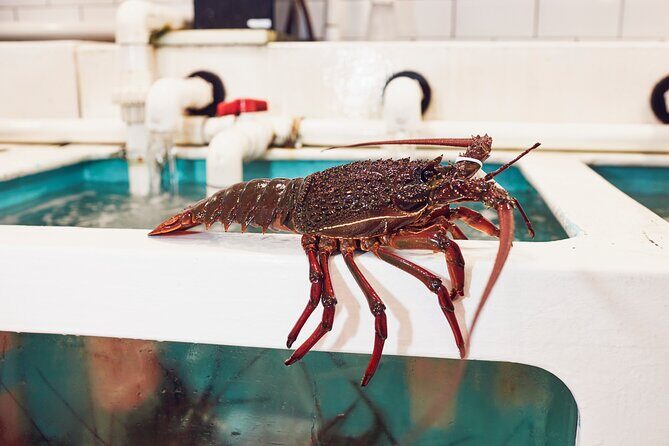
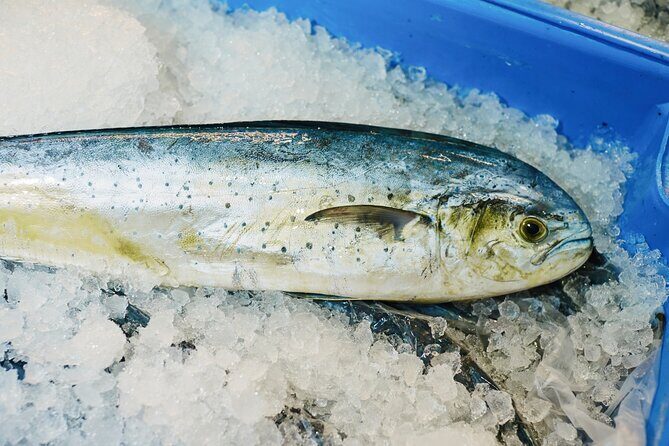
This tour doesn’t stick to the boring basics. You’ll be introduced to the many different species on the auction floor, including live lobsters, mud crabs, and giant tuna. Seeing live product (especially crustaceans) changes the way you picture seafood supply—suddenly it’s not just steaks and fillets. It’s living animals and fresh handling.
For food lovers, this is where curiosity kicks in. You’ll probably start noticing questions like: How is it handled differently from fish? What influences how it’s priced? What does grading mean for something that isn’t a simple fillet?
And because the guide is a Seafood Educator, you should get clear, practical answers instead of vague food-talk. If you’re the type who likes to know what you’re ordering, this section is a real payoff.
Market History and the Big Picture of Seafood in Australia
You’ll also hear about the market’s history and the broader story of how seafood reaches Sydney’s top restaurants. The goal here isn’t trivia for trivia’s sake. It’s context: how this market grew into a major hub, and what it means for daily trade.
You may also hear about the market’s changes and what’s coming next. One commonly mentioned theme is the excitement around new market developments and what they could mean for Sydney seafood experiences. Even if you don’t care about architecture or redevelopment, it helps you understand where the industry is heading.
The tour keeps this big picture tied to what you see on the floor, so it stays grounded. You’re not getting a lecture that floats away from the auction. You’re learning why the auction matters, and how that work translates into what shows up at restaurants.
Sustainability and Aquaculture Lessons You Can Actually Use
Australia’s seafood reputation isn’t just about what’s caught—it’s also about how fisheries and aquaculture are managed. On this tour, you’ll learn about how Australia leads in sustainable fishing and aquaculture, and the guide connects those ideas to the real seafood supply chain you’re watching.
The practical value here is that you’ll leave with better questions for menus and markets. Instead of just asking if something is fresh, you’ll be more aware of handling, sourcing, and the systems behind supply. That makes your next seafood meal more informed, not just more delicious.
One note: the tour explains sustainability in the context of industry operations. It’s not framed like a one-topic debate. It’s a working-industry view, which is exactly how most of us need sustainability info—through decisions and systems, not slogans.
Price and Timing: Is $57.38 Good Value?
At $57.38 per person, this isn’t a budget activity, but it also isn’t trying to be a long, multi-stop day tour. You’re paying for access to a working wholesale space that’s generally off-limits, plus a licensed guide, plus market gear.
Here’s where the value comes from:
- The auction floor access is the headline—normally closed areas are part of what you’re paying for
- You get hi-vis vest and boots included, which reduces hassle and boosts safety/comfort
- The guide isn’t just pointing; they’re explaining how seafood is sourced, graded, and sold
- The group stays small (up to 15), which improves the Q&A experience
Timing is also part of the equation. The 1 hour 30 minutes to 2 hours length keeps it manageable, but the 6:00am start means you’ll want to plan your sleep and breakfast. If you’re already up early for sights, great. If you’re the type who needs an afternoon nap, consider whether this will be a struggle.
Also, admission is listed as free for the tour ticket component, which helps keep the cost focused on the guided access and instruction.
Who This Tour Suits Best (And Who Might Skip It)
This is a strong match if you:
- love seafood and want the process behind what you eat
- enjoy markets and learning how industries actually work
- want a small-group experience with time to ask questions
- like hands-on moments, including live lobsters and crabs
It may be a less ideal match if you:
- hate very early mornings
- expect a relaxed, seated-style experience
- are traveling with kids under 13 (this tour doesn’t permit them)
Because it’s max 15 people, it also feels more personal than the usual big-city group tours. You’re not lost in a crowd, which is huge when the guide is trying to explain fast-moving auction workflow.
Should You Book This Sydney Fish Market Behind-the-Scenes Tour?
Yes, if you want a real behind-the-scenes look at how seafood becomes restaurant food. The combination of wholesale auction access, Dutch auction pricing education, and live product moments makes this one of those experiences that changes how you think about seafood.
I’d book it if your trip includes one day where you can handle an early start and you’ll enjoy learning by watching. If you’re coming to Sydney mostly for iconic attractions and don’t care about industry details, you might find this too work-focused. But if you’re even a little curious, this tour gives you the kind of practical knowledge you can carry to your next seafood order.
If you decide to go, wear comfortable layers (the market morning can feel cool), keep your questions ready, and let the auction floor set the pace. This is a working world—your best move is to treat it like you belong there for a couple hours.
FAQ
How long is the Sydney Fish Market Behind the Scenes Tour?
It runs for about 1 hour 30 minutes to 2 hours.
What time does the tour start?
The start time is 6:00am.
Where do I meet the tour?
Meet at 1 Bridge Rd, Glebe NSW 2037, Australia. The tour ends back at the same meeting point.
What does the tour cost?
The price is $57.38 per person.
What’s included in the price?
You get a licensed tour guide and hi-vis vest and boots to use during the tour. The admission ticket is listed as free.
Is transportation included?
No, transportation is not included.
Are there age limits?
Yes. No children below age 13 are permitted on the tour.
Is there free cancellation?
Yes. You can cancel up to 24 hours in advance for a full refund.
You Might Also Enjoy
More Shopping Tours in Sydney
More Tours in Sydney
- Blue Mountains Small-Group Tour from Sydney with Scenic World,Sydney Zoo & Ferry
★ 5.0 · 3,709 reviews
More Tour Reviews in Sydney
- Blue Mountains Small-Group Tour from Sydney with Scenic World,Sydney Zoo & Ferry
★ 5.0 · 3,709 reviews