REVIEW · SYDNEY
Sydney: Tandem Skydive with Optional Transfers
Book on GetYourGuide →Operated by SKYONE · Bookable on GetYourGuide
Freefall over Sydney sounds insane. You rise high above the city to 15,000 feet, then do a tandem sky jump where your instructor handles everything as you chase speeds around 200 km/h. You also get big-window views from the Blue Mountains toward the coast—so it’s not just adrenaline, it’s sightseeing at altitude.
Two things I really like: the experience is run like a pro operation, with clear check-in, a safety briefing, and all equipment handled for you, including goggles. I also like the comfort of the pre-jump area, where there’s space for picnics or a BBQ and even barista-served coffee (food and drinks are not included, but the setup makes waiting easier).
One thing to think about first: there are weight surcharges for 95kg+ and the activity isn’t suitable for children under 16 or pregnant women, so it’s worth checking eligibility before you get excited.
In This Review
- Key things that make this Sydney tandem jump worth it
- What $247 gets you (and where the real value is)
- Getting there and checked in: the 3–5 hour rhythm
- The climb: harness on, up to 15,000 feet
- The freefall moment: 200 km/h in about 60 seconds
- Parachute down: the gentle ride to the ground
- Sydney views you’ll actually notice (not just “pretty”)
- The instructor experience: why people keep praising the same thing
- What to wear and bring (so the day stays easy)
- Who this suits best (and who should skip it)
- Logistics on a real timetable: the day before matters too
- Photo and video: the souvenir decision you can make later
- Should you book this Sydney tandem sky jump?
- FAQ
- How long does the tandem sky jump take?
- What’s included in the $247 price?
- Do I get pickup from my hotel?
- What’s the maximum weight allowed?
- Are photos and video included?
- What should I wear or bring?
- Who isn’t allowed to do the experience?
Key things that make this Sydney tandem jump worth it
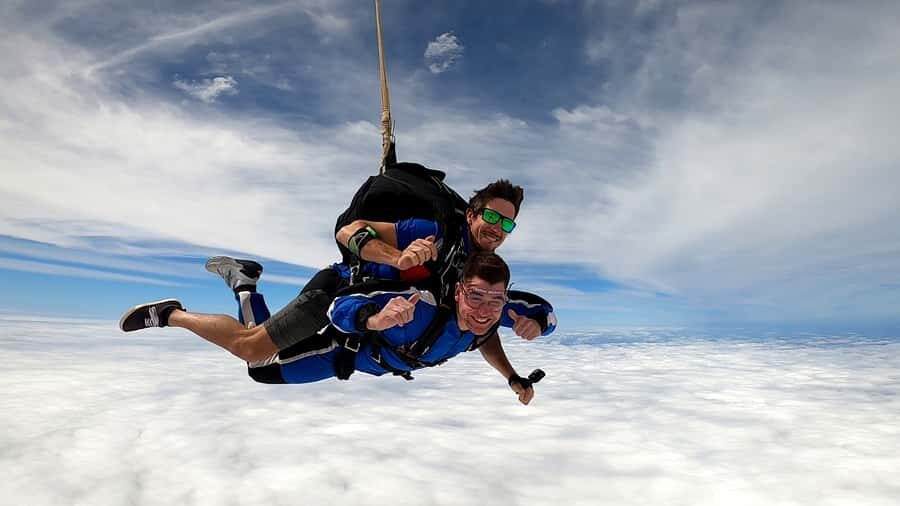
- A high-altitude jump: up to 15,000 feet with about one minute of freefall
- Speed and timing you can plan for: freefall reaches roughly 200 km/h during that short burst
- Instructor-led from start to landing: tandem harness, safety briefing, and guided landing
- Sydney’s airport-and-drop-zone setup: a dedicated centre with an on-site airport and drop zone
- On-site waiting comfort: space for a picnic or BBQ, plus barista coffee nearby
What $247 gets you (and where the real value is)
At $247 per person, the headline is the tandem experience: you’re not learning, you’re not jumping solo. You’re strapped in with an instructor and your job is basically to show up, listen, and let the team run the show. That matters, because sky-related activities punish the smallest mistakes—so the fact that training and gear are provided is a big part of the value.
This price also includes an APF membership plus the equipment you need, including goggles. In practical terms, that can reduce the “extra admin” you sometimes hit with outdoor activities: you’re not hunting down rentals or missing paperwork on the day.
What’s not included is food and drinks, plus any video and photo packages. If you want a souvenir, you should budget for media separately. One review notes add-ons around 150 AUD for photos and 190 AUD for photo with video—so if that’s your style, plan ahead.
You can also read our reviews of more tours and experiences in Sydney.
Getting there and checked in: the 3–5 hour rhythm
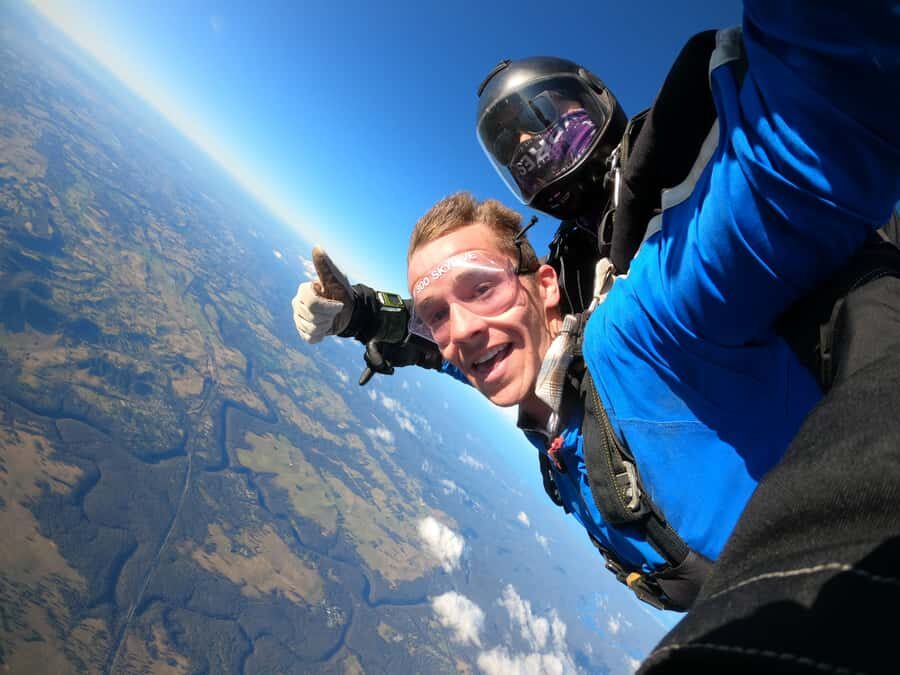
The total time is 3 to 5 hours, and that’s honestly the part people underestimate. You’ll spend a good chunk of time on the ground: checking in, getting assigned your flight number and tandem instructor, and getting geared up.
Your exact meeting point can vary depending on the option you book. If you choose it, you get pickup and drop-off, which helps a lot if you’re squeezing this into a short Sydney stay or you don’t want to deal with airport-adjacent timing.
Once you arrive, you’ll go through a check-in process and you’ll hand over your APF membership. Then comes the part that sets the tone for the whole experience: a safety briefing on what you’ll feel and what to do during the jump.
If you’re the type who gets nervous, you’ll probably appreciate how this is framed. The team isn’t just handing you a helmet and waving at the plane. They go over what happens next, so your brain gets to stop inventing its own version of events.
The climb: harness on, up to 15,000 feet
After you’re geared up, you’ll head to the aircraft. The ride up takes about 20–25 minutes, and you go as high as 15,000 feet.
The plane time is a quiet kind of thrill. You get a chance to settle into the harness, meet your instructor, and take in what’s probably the most scenic part before the adrenaline kicks in. One standout detail from reviews: multiple people say they enjoyed the plane ride up as much as the jump itself, which is a reminder that the experience isn’t one single moment.
Also remember the temperature shift. It may be cooler at high altitude, so dress for that rather than for the Sydney weather you stepped out of. If you’re wearing thin layers, you’ll likely want a warmer top than you think.
The freefall moment: 200 km/h in about 60 seconds
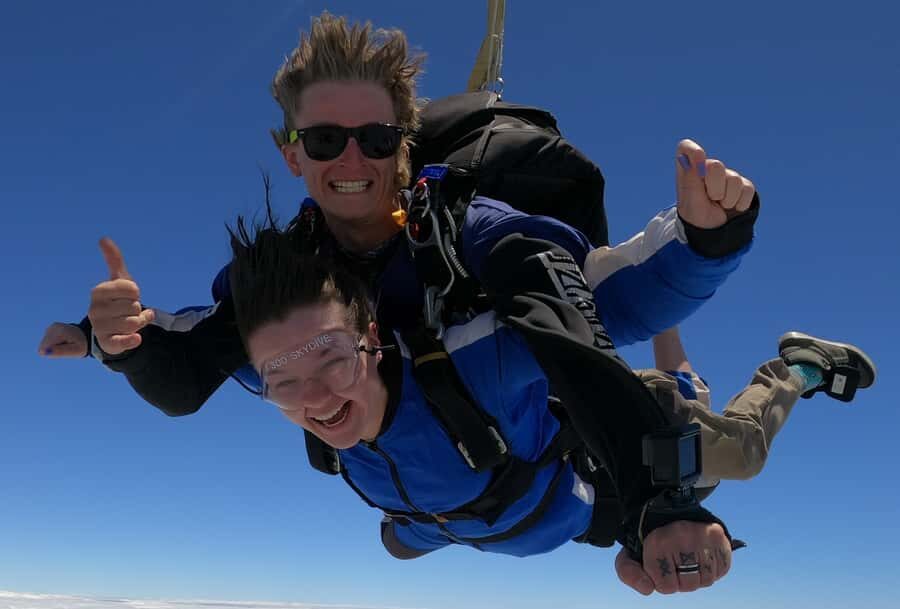
Here’s the core event: you exit the plane with your instructor strapped behind you, and you enter freefall. You’ll reach roughly 200 km/h, and the freefall lasts about 60 seconds.
It sounds short because it is short. But that’s also why people love it. You get the maximum payoff without the drawn-out stress. Your instructor controls the fall and the timing, so you’re not trying to “figure out” the body mechanics while your stomach is doing a stand-up comedy routine.
What helps is the tandem setup itself. Your job is to focus on the experience and follow instructions. Your instructor’s job is to manage the equipment and keep you safe through the freefall and into the next phase.
One repeated theme in the reviews is that instructors work hard to calm you down. Names that come up include Phil, Hayley, John, Sarah, Dan, Daniel, Stefan, Yeongbin, and Cyndi Louise. If calm communication matters to you, that’s a strong selling point, because you’ll be talking with your tandem partner right before the jump.
Parachute down: the gentle ride to the ground
After freefall, the pace changes fast. The parachute ride is described as gentle to the ground, and that shift is often where people start to feel like they can actually take everything in.
This is the part where you trade intensity for control and view time. If you’re the type who wants to feel your courage settle into satisfaction, this is when it happens. You’re still high up, but now you can look around and absorb the wider Sydney view.
When you land, you should feel that mix of disbelief and accomplishment. You’ll also receive a certificate that confirms you jumped out of an airplane. It’s a simple souvenir, but it’s also nice to have something official for your memory.
- Blue Mountains Small-Group Tour from Sydney with Scenic World,Sydney Zoo & Ferry
★ 5.0 · 3,709 reviews
Sydney views you’ll actually notice (not just “pretty”)
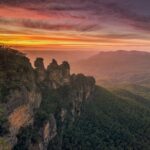
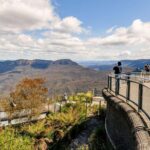
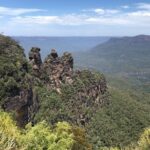
One of the best details in the experience description is the view route. You can see panoramic vistas from the Blue Mountains to the coast.
That’s useful information because it tells you what to mentally look for. Instead of expecting one flat “city view,” you’ll likely notice a broader spread of terrain—mountain ridges and waterline horizons—depending on your flight path and conditions on the day.
And because this operation is based at a dedicated centre with its own airport and drop zone, you’re not relying on random locations or improvised logistics. The geography matters, but so does how smoothly the jump day runs.
The instructor experience: why people keep praising the same thing
Safety in tandem sky events isn’t abstract. It’s something you feel in the lead-up: equipment checks, instruction clarity, and whether you trust the person with your harness.
In the reviews, that trust shows up again and again. People highlight punctuality, professionalism, and calm reassurance. Phil comes up for his decades of experience—he’s mentioned as skydiving for 55 years and having done over 40,000 skydives—so if experience and confidence matter to you, that’s a reassuring data point.
Other instructors named by reviewers include John and Hayley as people who helped them feel safe and brave. One review notes how John made the experience feel safe and comfortable, and another emphasizes that an instructor made them laugh and settle down before the jump. That’s not fluff. That’s what can turn nervous energy into focused enjoyment.
What to wear and bring (so the day stays easy)
This part is straightforward, but it can ruin your day if you ignore it.
Bring:
- Comfortable shoes
- Sunscreen
- Weather-appropriate clothing
- Closed-toe shoes
Avoid:
- Sandals or flip flops
The shoe advice isn’t “because it looks nice.” It’s because you’ll be moving around on the ground in a gear-and-weather situation. Closed-toe footwear also reduces the chance of accidental discomfort when you’re getting geared up and walking to the aircraft.
Also, avoid eating huge amounts right before you go. You don’t need to be starving, but “copious amounts” can be a problem when you’re about to feel speed and airflow.
Who this suits best (and who should skip it)
This tandem sky jump is built for adults and confident first-timers. It’s listed as not suitable for children under 16, pregnant women, and people over 115 kg (254 lbs).
The weight rules are strict:
- Maximum weight allowed: 115 kg
- If you’re 95–99 kg, there’s an extra $25
- If you’re 100–109 kg, it’s +$50
- If you’re 110–115 kg, it’s +$100
So if you’re near those thresholds, do the math early so there are no surprises later.
This experience is also a good fit if you want a “first time” thrill. You’ll do a tandem jump and learn the thrill of freefall without the pressure of training your own technique midair.
Logistics on a real timetable: the day before matters too
This is one of those activities where weather can change the plan. The good news is that if you can’t jump due to weather or unforeseen issues, you’ll be rescheduled free of charge. If you need to adjust your time, you should inform them at least 48 hours before your booked time.
On the flip side, cancellations made within 48 hours of the jump time have a cancellation fee of $100 per person. So treat this as a “hold that time” activity in your calendar, not a casual add-on.
There’s also the option to reserve now and pay later, which can reduce stress if you’re juggling flights and hotel timing.
Photo and video: the souvenir decision you can make later
The experience includes training, gear, and your jump, but video and photo packages are not included.
If you’re the kind of person who wants something tangible to show friends (or to remind yourself that you really did it), that’s the add-on category to consider. One review cites add-ons around 150 AUD for photos and 190 AUD for photo with video. Prices can change, so use that as a rough expectation rather than a promise.
If you’re more of a “my own camera is enough” person, you might still want to factor in that you’ll be wearing goggles and gear. So getting professional footage can be the easiest way to keep the memory clean and clear.
Should you book this Sydney tandem sky jump?
Book it if:
- You want a first-time-friendly tandem experience with all equipment and training handled
- You care about seeing Blue Mountains to the coast from altitude
- You want the comfort of an airport-and-drop-zone setup rather than a last-minute scramble
- You value instructor calmness and professionalism—reviews consistently name specific guides and praise their reassurance
Skip it (or wait) if:
- You’re close to the 95kg+ surcharge tiers and your budget can’t flex
- You need child-friendly or pregnancy-friendly options (this one isn’t suitable for those groups)
- You’re strongly opposed to spending extra on souvenirs like photos/video (since they’re not included)
If you can meet the eligibility requirements and you’re ready for a short, intense freefall followed by a calmer parachute ride, this is one of the most straightforward ways to check “jump from a plane” off your Australia list.
FAQ
How long does the tandem sky jump take?
The total duration is 3 to 5 hours. The flight up takes about 20–25 minutes, and the freefall portion is about 60 seconds, with the parachute ride bringing you back to the ground after that.
What’s included in the $247 price?
The package includes the tandem jump, all training and equipment (including goggles), and an APF membership. If you select the option, pickup and drop-off are also included.
Do I get pickup from my hotel?
Pickup and drop-off are available if you choose that option. If you don’t, you’ll meet at the building, and the exact meeting point can vary based on what you book.
What’s the maximum weight allowed?
The maximum weight allowed is 115 kg. There are additional surcharges for higher weights starting at 95 kg+, with costs increasing through the 95–99 kg, 100–109 kg, and 110–115 kg ranges.
Are photos and video included?
No. Video and photo packages are not included, though you can add media as an extra. One review lists add-on pricing around 150 AUD for photos and 190 AUD for photo with video.
What should I wear or bring?
Bring comfortable shoes, sunscreen, and weather-appropriate clothing, and wear closed-toe shoes. Sandals or flip flops are not allowed.
Who isn’t allowed to do the experience?
It’s listed as not suitable for children under 16, pregnant women, and people over 115 kg (254 lbs). The experience uses an English-speaking instructor.
You Might Also Enjoy
More Tour Reviews in Sydney
- Blue Mountains Small-Group Tour from Sydney with Scenic World,Sydney Zoo & Ferry
★ 5.0 · 3,709 reviews