REVIEW · SYDNEY
Sydney Wildlife Safari
Book on Viator →Operated by Sydney Bespoke Tours · Bookable on Viator
Sydney turns wild for a reason. In one long day, you get daylight animal spotting plus a real shot at platypus at dusk in the Southern Highlands. I love how the hunt is guided by habitat knowledge, not luck, and how the rhythm builds from afternoon birds to night spotlighting for wombats, possums, and Tawny Frogmouths.
The biggest drawback is physical: there’s some walking on rough, sometimes slippery trails and river banks, with stretches where you’ll be on foot for about 1 km at a time. If you’re dealing with limited mobility or want a totally flat, easy day, this may be stressful.
In This Review
- Key highlights I’d plan around
- Leaving Sydney noise behind: Bowral in a single afternoon
- Wildlife spotting with a plan, not guesswork
- Bowral lunch: a break that also teaches you what to notice
- Afternoon wildlife: birds first, mammals when luck turns on
- The Great Western Wildlife Corridor: what you’re protecting while you watch
- Dusk on a quiet river: your platypus moment
- Dinner at an old country inn, then the night spotlight
- Gear, transport, and comfort details that really matter
- Price check: is $304.83 a good value?
- Who should book this safari—and who should skip it
- Should you book the Sydney Wildlife Safari?
- FAQ
- FAQ
- What time does the Sydney Wildlife Safari start?
- How long is the tour?
- What’s included in the price?
- What wildlife am I likely to see?
- How much walking is involved?
- Is the platypus search guaranteed?
Key highlights I’d plan around
- Great Western Wildlife Corridor focus, connecting the southern Blue Mountains to Morton National Park
- Dusk platypus search at a quiet river, with the right timing and tools
- Small group size (max 8) for more chances at real wildlife, not just photos
- Binoculars + handheld spotlights included, plus wildlife reference guides
- Day-to-night flow, with dinner in between at Australia’s oldest licensed inn
Leaving Sydney noise behind: Bowral in a single afternoon
This safari starts with a very practical move: you meet at the Sydney Harbour Marriott Hotel at Circular Quay, then head south. The departure time is 12:00 pm, and you’re looking at about a 90-minute drive to Bowral in the Southern Highlands.
That drive matters more than you might think. When you’re leaving the city at midday, you get daylight for birds and mammals in the afternoon, then you’re already in position for the evening turn—when many of the animals are most active. It’s a smart schedule for people who don’t want a full multi-day trip just to see Australian wildlife.
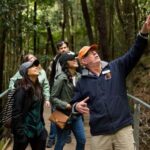
Once you arrive, you’re not dropped into some crowded zoo scene. Instead, you’ll work your way through countryside stops and bushy areas with a wildlife guide, aiming for sightings rather than forcing it.
You can also read our reviews of more tours and experiences in Sydney
Wildlife spotting with a plan, not guesswork
The whole day runs like a wildlife checklist—timing, habitat, and what to look for. After meeting your Sydney Bespoke Tours guide, you’ll get an intro to the animals you’re likely to find, what you might spot, and how you’ll record sightings.
I like this approach because it gives your brain something to do besides staring at grass and hoping. You learn what tends to show up during different times of day, and the guide helps you understand animal behavior in that local setting.
It also helps that you’re not just wandering. You’re moving between locations while the guide manages the pace and watches for cues—sounds, movement, and likely spots—so you’re not constantly asking where to look next.
Small group energy helps too. With a maximum of 8 people, you’re more likely to get close-range spotting moments without the chaotic stop-and-go feel you get on bigger tours.
Bowral lunch: a break that also teaches you what to notice
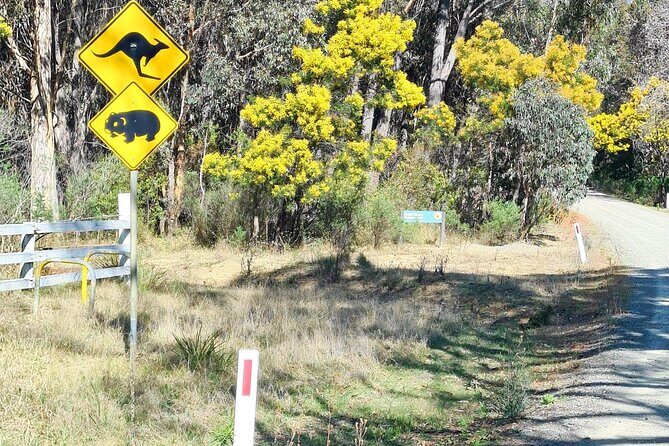
Before the main stretch of wildlife time, you’ll stop for a light lunch—something like gourmet wraps. It’s simple, but timed well: you eat without feeling heavy before walking and scanning for animals.
Then comes the part that makes the rest of the day click. You’ll learn about local wildlife conservation projects and monitoring programs, plus the signs to watch for when tracking more elusive wildlife. This isn’t just trivia. It changes how you look at the environment.
After lunch, you’ll be more aware of details like bird activity patterns, where animals might move, and what “evidence” can look like in the bush and farmland edge. That’s the difference between a day where you’re mostly hoping for a miracle and a day where you’re actually practicing wildlife observation.
Afternoon wildlife: birds first, mammals when luck turns on
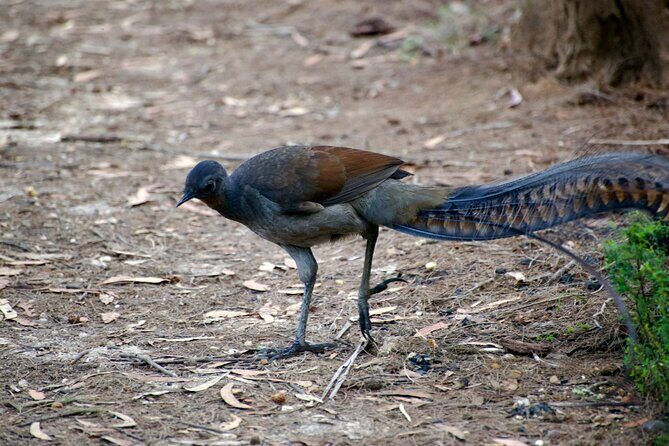
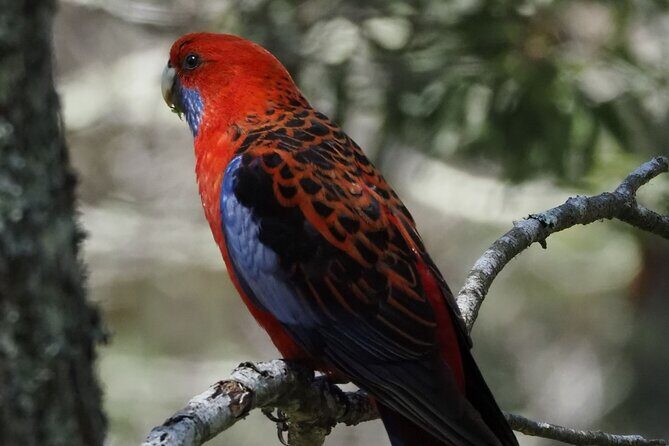
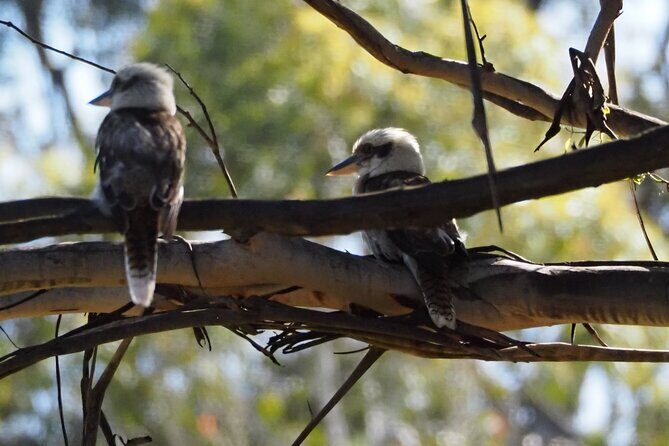
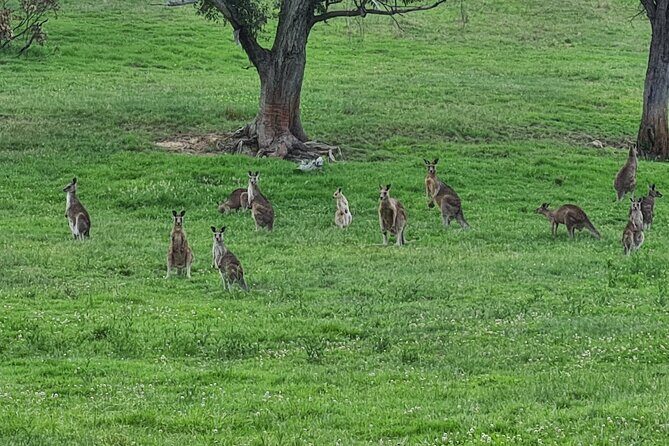
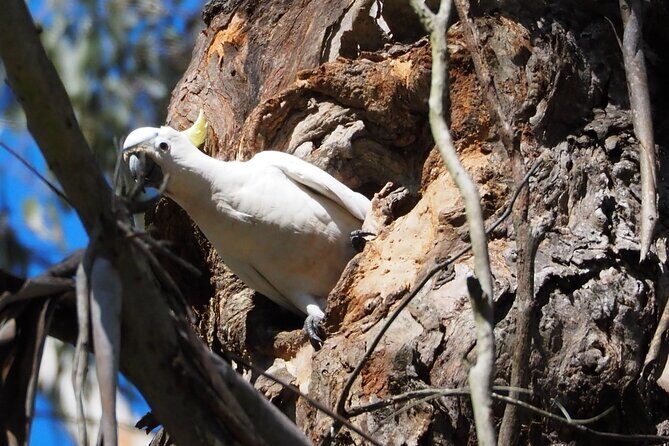
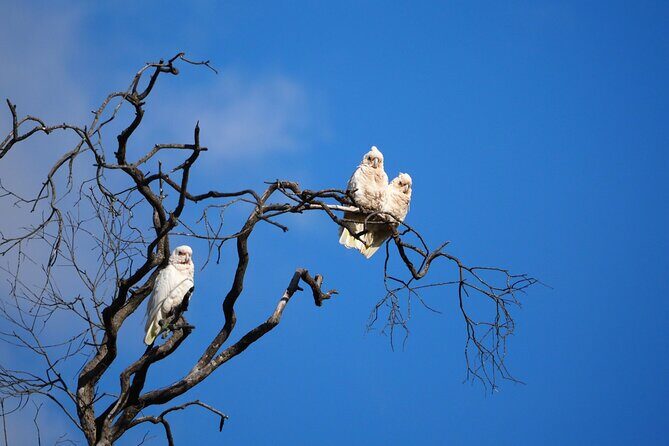
The afternoon is built around repeated chances at sightings. You’ll spend time spotting wildlife at several locations around the area, where you can expect lots of bird life—think familiar Aussies like kookaburras.
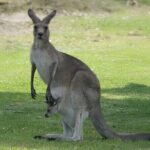
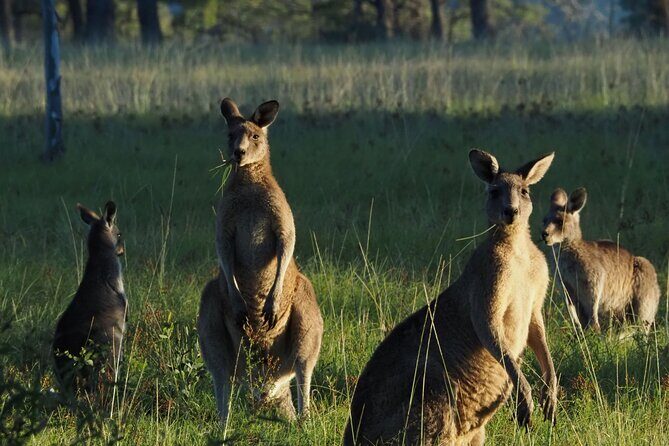
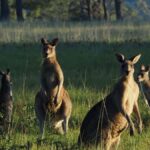
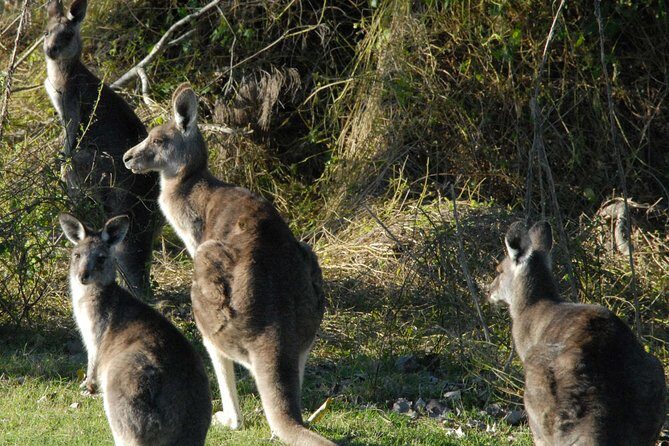
You’ll also be on the lookout for mammals such as kangaroos and wallabies. The goal is not just to catch a quick glimpse, but to see enough behavior that you understand what you’re looking at: movement, feeding, and how animals use the terrain.
The day’s rhythm helps here. You’re in the Southern Highlands during the late afternoon window when animals may be more visible than early morning, especially depending on weather. The guide’s job is to put you in the right places at the right times, and then help you read what you’re seeing.
From the experience perspective, this is also where the included gear earns its keep. You’ll have binoculars and the guide’s wildlife reference materials to help you identify what’s in front of you—especially birds, which can look similar at a glance but become clear with a closer look.
The Great Western Wildlife Corridor: what you’re protecting while you watch
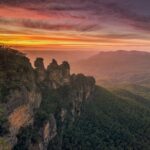
One of the most meaningful parts of this tour is the learning tied to the Great Western Wildlife Corridor—a habitat link that helps animals move safely between the southern Blue Mountains and Morton National Park.
Why does this matter for your day? Because it turns wildlife viewing into context. You’re not just walking around hoping for an animal. You’re learning about how habitat connectivity supports movement, feeding, and survival.
When you understand that animals need connected space to travel between protected areas, you start noticing the edges—bush lines, farmland transitions, and the places animals might cross safely. The guide ties this idea into what you’re seeing, which makes even brief sightings feel like part of a bigger system.
In other words: the corridor lesson gives your photos meaning, and it helps you feel less like you’re “consuming nature” and more like you’re witnessing it in a working landscape.
You can also read our reviews of more tours and experiences in Sydney

Dusk on a quiet river: your platypus moment
The day shifts at dusk, and this is where the tour really earns its name. You’ll head to a quiet river to search for wild platypus, which is rare and genuinely magical when it happens.
This is also one of the biggest reasons to book: platypus sightings require the right time, the right conditions, and patient watching. You’re not guaranteed anything, but you’re given the structure and local focus to maximize your odds.
You’ll have support for the moment too. The tour includes handheld spotlights, and that matters because platypus activity can be subtle. You might see movement or ripples before you see the animal itself, and the guide helps you interpret what you’re seeing while the group listens and watches.
If you’re the type who gets restless while waiting, this is the time to practice calm. Some of the best wildlife moments come from slowing down long enough for nature to decide you’re paying attention.
Dinner at an old country inn, then the night spotlight
After the river search, you’ll head to dinner—a classic country pub dinner including a drink (alcoholic or non-alcoholic). The tour notes this happens at Australia’s oldest licensed inn, which is a fun detail that makes the meal feel like part of the story, not just a refuel stop.
One practical heads-up: alcohol is 18+. You may be asked for photo ID, so don’t rely on memory cards and vibes.
Then the evening continues with more night spotting. After dinner, you’ll go spotlighting for animals like wombats, possums, and Tawny Frogmouths. This part of the experience is all about adapting your eyes to darkness—spotting shapes, silhouettes, and movement patterns.
I also like how the day doesn’t just end after dinner. The timing is built so you get daylight birds, dusk river searching, and then true nocturnal scanning. It’s one of those rare formats where you leave feeling like you actually saw wildlife across different activity windows.
Gear, transport, and comfort details that really matter
The tour includes a lot of what usually becomes a “you forgot it” problem on wildlife trips.
You’ll have:
- Binoculars
- Handheld spotlights
- Wildlife reference guides
- Comfortable air-conditioned transport
- A mobile ticket
That means you’re mostly traveling light. Still, the tour is outdoors and involves walking that can be rough.
Plan around the physical reality:
- You should have a moderate fitness level.
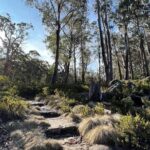
- You’ll be able to walk about 1 km (half a mile) at a time, including over steep, rough and sometimes slippery trails and river banks.
- Closed-toe shoes are a must, and you should wear comfortable clothing.
- Check the Southern Highlands forecast the day of travel.
This isn’t an armchair safari. It’s a nature day where your feet matter. If you’re prone to slipping, pack the kind of shoes you trust on wet ground.
Also note: this isn’t recommended for people with limited mobility. If that applies to you, look for a wildlife tour with easier terrain and guaranteed accessible routes.
Price check: is $304.83 a good value?
At $304.83 per person for about 10 hours (approx.), this isn’t a budget activity. But it isn’t “expensive just because it’s popular,” either.
Here’s what you’re paying for, in plain terms:
- Small group size (max 8), which improves your viewing chances
- A full day with both afternoon and night wildlife sessions
- Included gear (binoculars and spotlights) that you’d otherwise rent or buy
- Transport from central Sydney and back, including the 90-minute south drive
- Food: light lunch plus dinner with a drink
- A guide focused on timing, habitat, and spotting technique
If you compare this to wildlife experiences that are either longer (more expensive overall) or shorter (less time in the best activity windows), the math starts to look fair. The format is the point: you’re getting daylight bird time plus dusk and night sessions where the animals you hope for are more likely to show themselves.
One more value angle: this isn’t a drive-by. The day is built around wandering and searching through farmland and bushland, plus learning about the corridor and conservation work. That turns the experience into something you can explain afterward, not just something you saw.
Who should book this safari—and who should skip it
This experience is a great fit if you:
- Want a wildlife-focused day that feels like countryside exploring, not a city attraction
- Enjoy birdwatching and scanning for mammals
- Like the idea of a planned dusk search rather than hoping for the best
- Are comfortable walking on uneven ground for short stretches
It may be a poor fit if you:
- Need flat, easy routes (limited mobility or unstable footing)
- Hate waiting in silence during dusk and night spotting
- Want a guaranteed platypus sighting (this is wildlife, so you’re searching, not certifying)
If you’re traveling with kids, the tour does involve walking on rough trails, and alcohol is part of dinner (with the 18+ rule). The data here doesn’t spell out child policies, so you’ll want to check suitability directly before booking.
Should you book the Sydney Wildlife Safari?
I think you should book if your top goal is a real wildlife day in the Southern Highlands—especially if you want a shot at platypus at dusk and you’re excited to keep your eyes open through night spotlighting. The combination of small group size, included spotting gear, and a full day schedule makes it feel like more than a single “wow” moment.
Skip it if your priority is comfort first, with minimal walking and fully predictable viewing. The terrain can be rough and slippery, and wildlife sightings depend on conditions. This tour is best when you’re ready to watch, walk, and adjust your expectations to nature’s timing.
FAQ
FAQ
What time does the Sydney Wildlife Safari start?
It starts at 12:00 pm. You meet at the Sydney Harbour Marriott Hotel at Circular Quay (30 Pitt St, Sydney NSW 2000), and the tour ends back at the meeting point.
How long is the tour?
The tour is listed as 10 hours (approx.).
What’s included in the price?
The price includes an experienced guide, a light lunch (such as gourmet wraps), and a country pub dinner including a drink (alcoholic or non-alcoholic). It also includes binoculars and handheld spotlights, wildlife reference guides, and air-conditioned transport.
What wildlife am I likely to see?
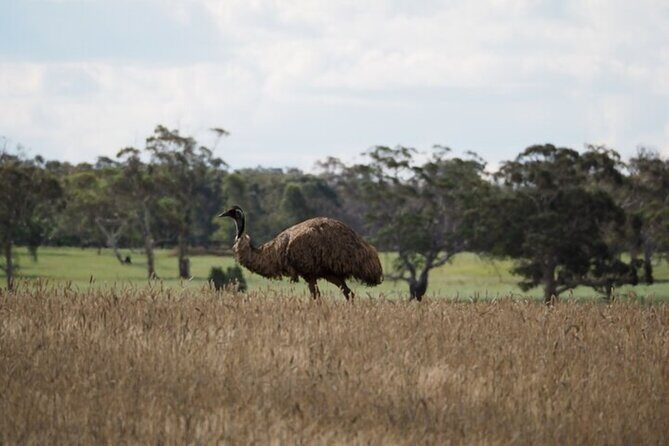
You’ll be watching for kangaroos, wallabies, wombats, emus, and also birds such as kookaburras and parrots. The tour specifically includes a dusk search for wild platypus, and evening spotlighting for possums and Tawny Frogmouths.
How much walking is involved?
You should have a moderate fitness level and be able to walk 1 km (half a mile) at a time. The route can include steep, rough and sometimes slippery trails and river banks, so it isn’t recommended for limited mobility.
Is the platypus search guaranteed?
No. The tour includes a dusk search for wild platypus, but wildlife is never guaranteed. Also, the experience requires good weather; if it’s canceled due to poor weather, you’ll be offered a different date or a full refund.
You Might Also Enjoy


More Wildlife Experiences in Sydney
More Safari Adventures in Sydney

More Tour Reviews in Sydney
- Blue Mountains Small-Group Tour from Sydney with Scenic World,Sydney Zoo & Ferry
★ 5.0 · 3,709 reviews