REVIEW · SYDNEY
WILD LIFE Sydney Zoo
Book on GetYourGuide →Operated by Merlin Entertainments Group · Bookable on GetYourGuide
Want native Aussie wildlife without leaving the city? I love how kangaroos and koalas bring Australia to life right in Darling Harbour, with walk-through habitats and up-close viewing that feels far more personal than a typical zoo loop. You get plenty of variety too: crocodiles like Rex, wombats, rock-wallabies, butterflies, and even snakes tucked into natural-looking scenery. One thing to think about first: the site is compact, so it can feel crowded at peak times, and the price is not a bargain ticket for adults.
What makes the visit genuinely fun is the way the zoo stacks animals into themed zones, so your day moves like a mini tour around different parts of Australia. I also like the keeper talks, because they add context while you’re already standing there looking at the animals instead of turning the day into a lecture.
If you’re coming with kids, or you just want a solid block of wildlife time on a hot Sydney day, this one works. Just note you’ll be around snakes and other less-cute creatures along the way, so plan your expectations if that’s not your vibe.
In This Review
- Key highlights at a glance
- Entering WILD LIFE Sydney at Aquarium Wharf: why this location feels smart
- 9 Aussie habitat zones you can actually finish in a single visit
- Kangaroos and the walk-through experience: the best reason to go
- Wallaby Cliffs and the yellow-footed rock-wallabies that steal time
- Wombats and echidnas: burrows, grazing, and slow animal magic
- Koalas up close, and what that optional photo actually changes
- Rainforest to Kakadu Gorge: how the scenery supports the animals
- Crocodiles, turtles, and saying hello to Rex
- Keeper talks: the practical reason they’re worth timing your visit
- Price and value in Sydney terms: is $27 worth it?
- What to plan for: time, pace, and getting the most from the route
- Who should book WILD LIFE Sydney Zoo?
- Should you book WILD LIFE Sydney Zoo?
- FAQ
- What animals can I see at WILD LIFE Sydney Zoo?
- Where is the zoo located?
- How long is the experience?
- What’s included in the ticket price?
- Is a guided tour included?
- Can I take a photo with the koalas?
- What are the opening hours?
Key highlights at a glance
- Walk with kangaroos in enhanced habitats that feel more like a stroll than a distant viewing
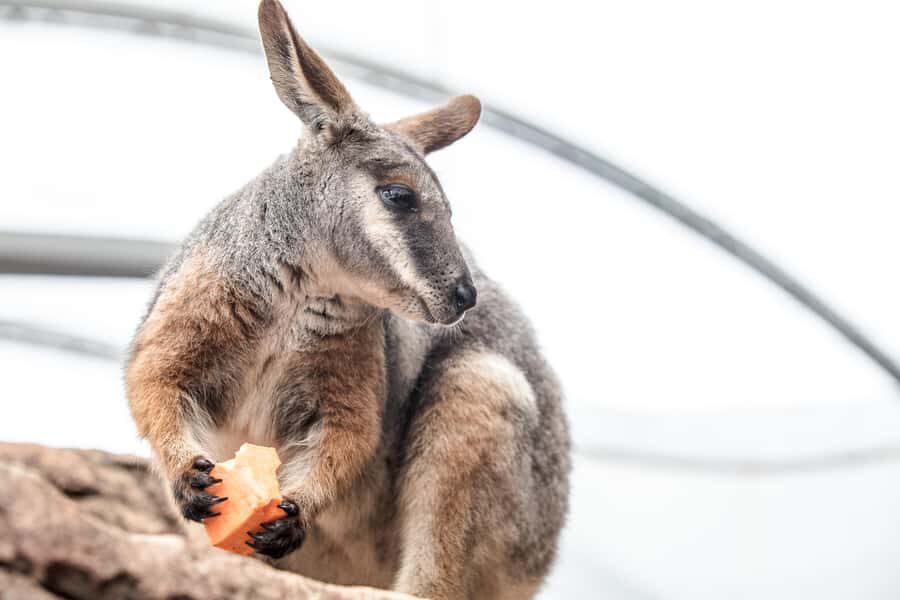
- Wallaby Cliffs for yellow-footed rock-wallabies that are agile and fun to watch
- Wombats and echidnas in Aussie-focused zones built around burrows and grazing
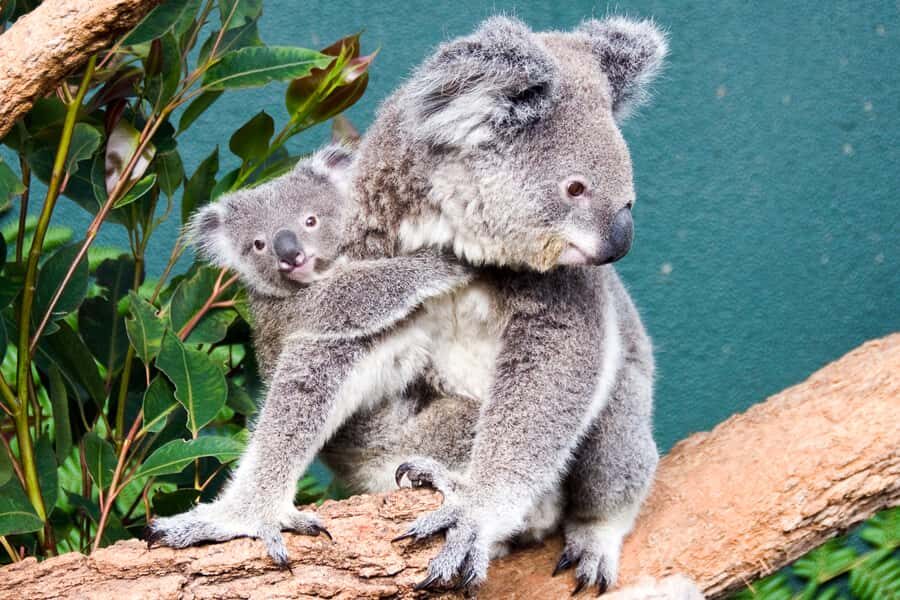
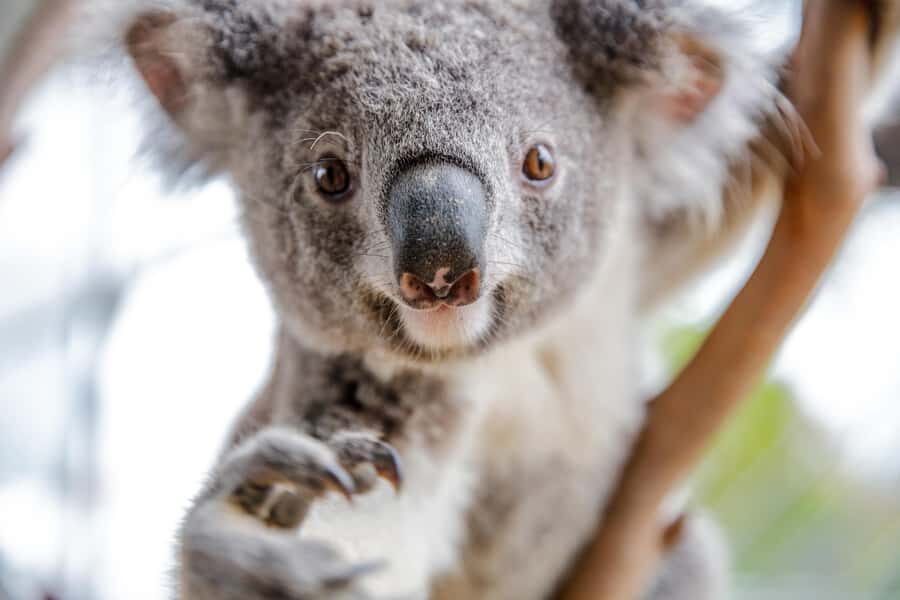
- Koalas up close, plus an optional paid photo with the koalas (not included)
- Rex the crocodile and other reptiles in water and foliage habitats
- Keeper talks that help you understand what you’re seeing while you’re there
Entering WILD LIFE Sydney at Aquarium Wharf: why this location feels smart
WILD LIFE Sydney Zoo sits at Aquarium Wharf in Darling Harbour, which is the big advantage for most people. You’re not commuting out to the suburbs with a half-day plan that collapses if your train is late or the weather turns. You can pair this with other Darling Harbour stops, or just do it as the wildlife anchor of your day.
The zoo is also the right size for a “not too long, not too short” visit. It’s billed as a 1-day experience, and in practice it tends to land as a few good hours of walking plus watching animals and catching keeper talks. That makes it a great option when you want something indoor-friendly-ish (or at least protected by zoo buildings and shaded pathways) without giving up the excitement of real animal encounters.
One practical timing note: during ongoing COVID-19 preventative hours, the operation runs 10:00 AM to 4:00 PM, with last entry at 3:00 PM. If you’re aiming for the full circuit, I’d build in buffer time and try not to arrive right at that last entry window.
You can also read our reviews of more tours and experiences in Sydney
- Blue Mountains Small-Group Tour from Sydney with Scenic World,Sydney Zoo & Ferry
★ 5.0 · 3,709 reviews
9 Aussie habitat zones you can actually finish in a single visit
The main reason this works well is simple: you’re not wandering randomly for hours. The experience is structured around 9 Aussie-themed habitat zones that are designed for walking. You’ll also see over 100 species of Australian animals, which sounds like a lot (because it is), but the layout keeps it from feeling like an endless checklist.
Here’s the mental model I use: each habitat zone gives you a different slice of Australia’s wildlife. So you’re not just repeating the same scene with different animals. You move from rugged rock terrain to burrows and grassy shelters. Then you hit rainforest-style areas with foliage where butterflies can float by and snakes can be tucked away. After that, you transition into habitats with water features for reptiles like turtles and crocodiles.
That zoning matters because it keeps the day varied even when you’re watching the animals for long stretches. If you only care about one animal, you might still enjoy it. But if you want variety—marsupials plus reptiles plus birds/insects (like butterflies)—this layout makes it easier to hit multiple favorites without doubling back.
Kangaroos and the walk-through experience: the best reason to go
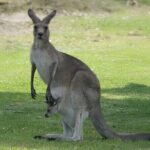
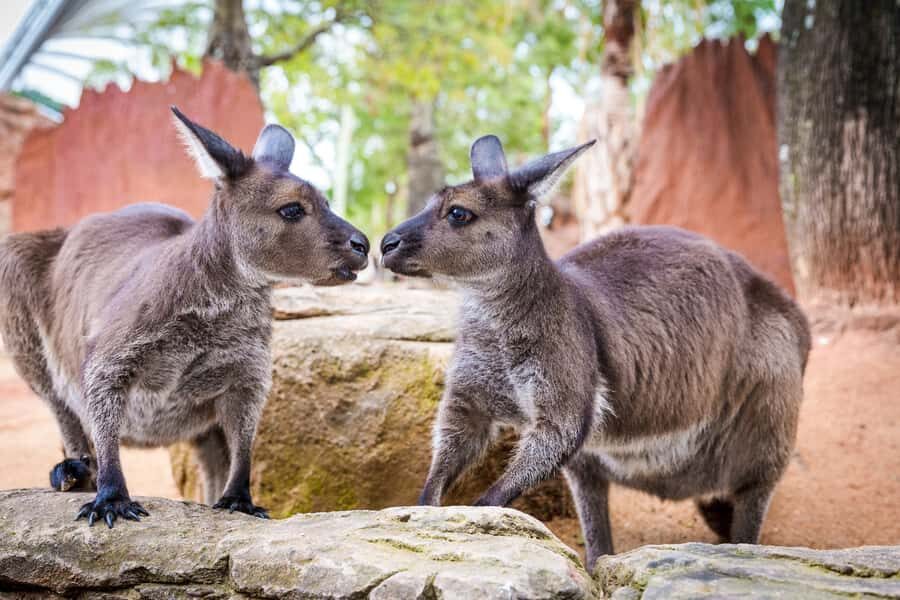
The big draw is the chance to get very close to Australia’s most famous marsupials, especially the kangaroos. The experience includes enhanced walk-through habitats where you can stroll and observe them up close, not just view them from behind a fence.
I like these walk-through setups because they change your perspective fast. You’re not only scanning for an animal in the distance. You’re sharing a small space with them while they decide whether to approach, graze, or just do their own kangaroo business. It also adds movement to your visit. Instead of only standing still and taking photos, you naturally walk the path and keep watching what’s happening around you.
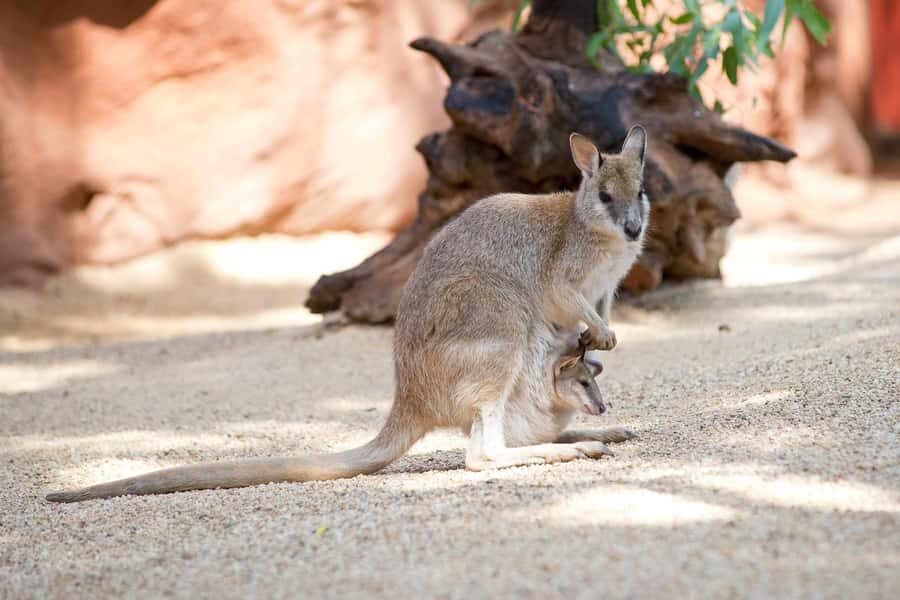
In the same overall Aussie habitat theme, you’ll also have strong chances to spot yellow-footed rock-wallabies. One of the most memorable features here is how agile they are—especially when they move across jagged rock sections that mimic rugged cliff terrain.
Practical tip: go at a calm pace. If you rush, you’ll miss the moments when an animal steps into view right where you’re walking.
Wallaby Cliffs and the yellow-footed rock-wallabies that steal time
If you like the idea of watching animals use their environment the way they would in the wild, Wallaby Cliffs is a key stop. The terrain is built around jagged rocks, and that matters because it gives rock-wallabies a stage.
The zoo specifically highlights yellow-footed rock-wallabies as the toughest and most adapted animal in Australia. Whether or not you memorize that line, you’ll probably feel it once you watch their movement. They’re made for climbing and jumping, and they use the rocks confidently.
This is also a good zone for slowing down if your group is split—one person might want to keep moving, while another can happily park themselves and watch the rock-wallabies hop from ledge to ledge.
Wombats and echidnas: burrows, grazing, and slow animal magic
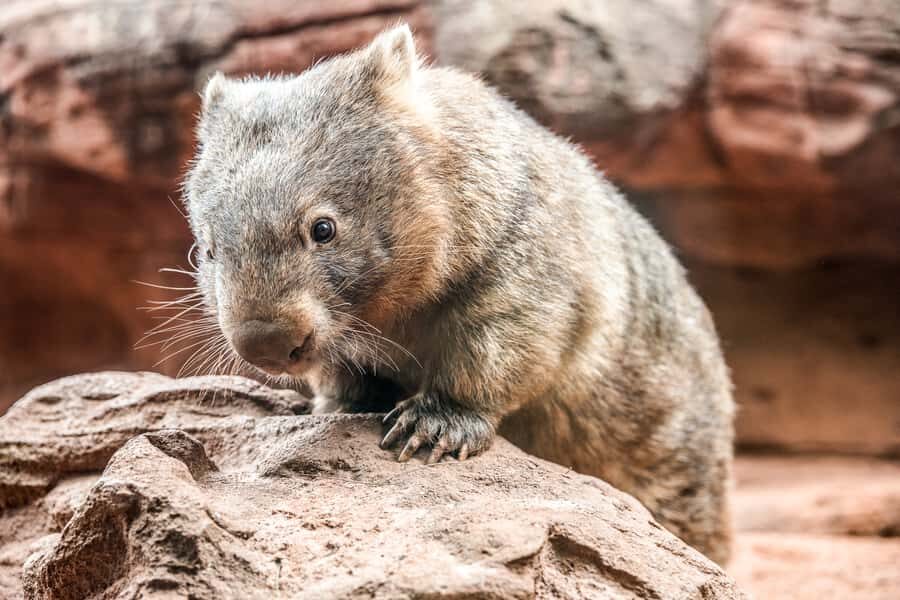
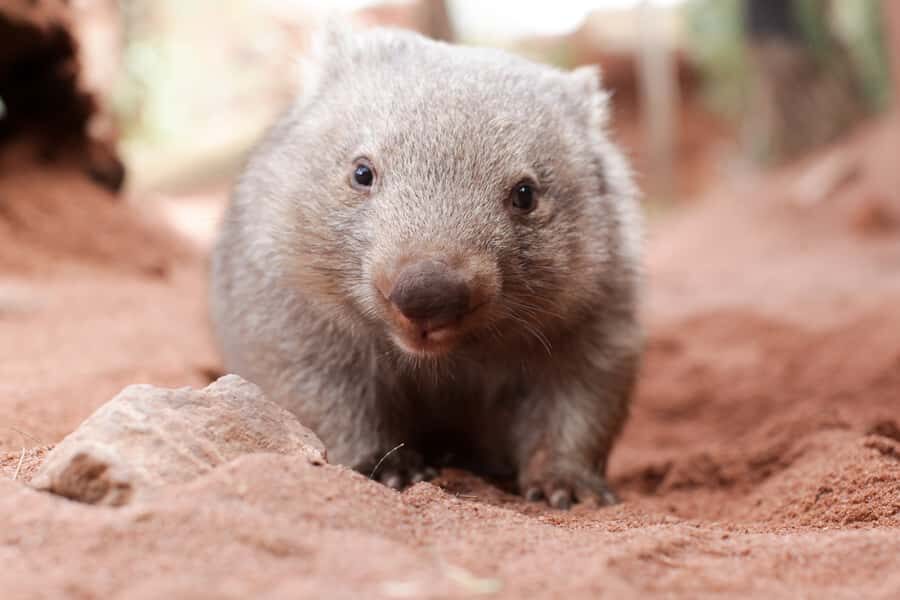
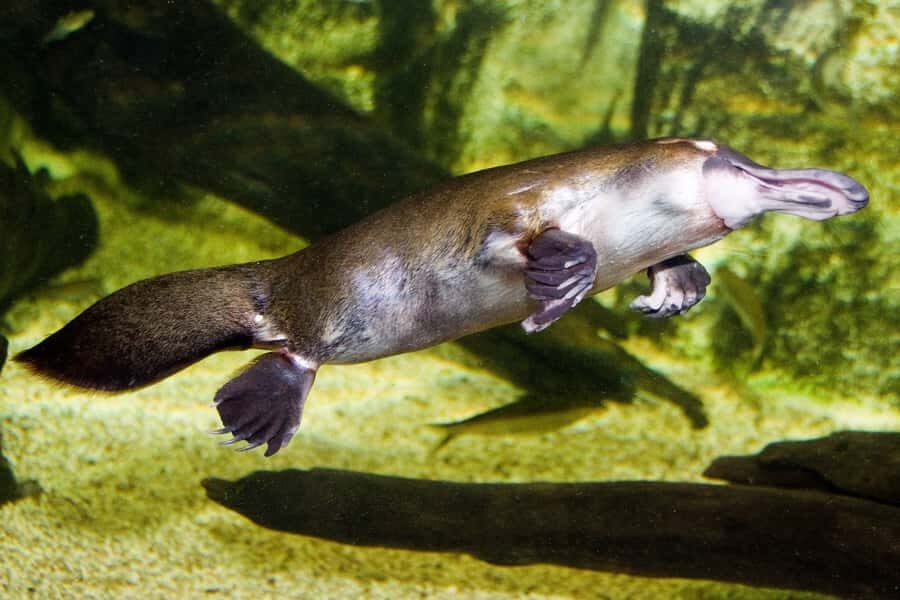
WILD LIFE Sydney gives you more than the big-name species. You can also see hairy-nosed wombats, including a habitat approach centered on sheltering down in burrows and munching grass.
Wombats are a different kind of “fun.” They don’t always do dramatic shows, which is exactly why I enjoy them. When the habitat is done right, you get the satisfaction of observing normal wildlife behavior up close.
You’ll also come across koalas and other marsupials, but the wombat zone is valuable because it reminds you Australia’s wildlife isn’t just about cuteness. It’s about survival strategies: shelter, grazing, and staying safe in a world built for predators and change—even in a zoo setting designed to feel natural.


Koalas up close, and what that optional photo actually changes
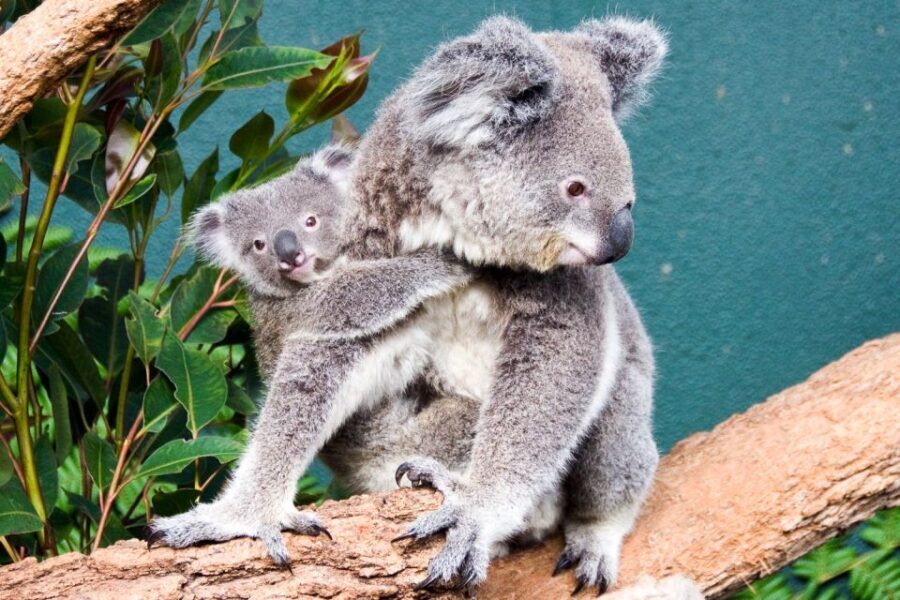
Koalas are one of the biggest reasons people choose this zoo, and the experience is set up to let you see them very closely. The included experience gives close encounters with koalas.
There’s also an optional paid add-on: a photo with the koalas. That is not included in the base entry, and I’d treat it like a personal decision, not a must-do. If you want the keepsake and don’t mind extra cost, it can be a highlight because the closeness feels special. If you’re more budget-focused, you’ll still get plenty of koala time without buying the photo.
If you’re traveling with kids, this is the moment where patience pays off. People tend to spend longer here because it’s hard to move on from a koala that’s calm and close.
Rainforest to Kakadu Gorge: how the scenery supports the animals
One of the most interesting parts of the day is how the zoo maps different parts of Australia into themed habitat areas. You’ll walk through recreations of the Daintree Rainforest and Kakadu Gorge, plus other Northern Territory Top End-style landscapes.
Why this matters: it changes what you notice. In a rock-wallaby area, your focus is movement across terrain. In rainforest-style sections, your focus shifts to foliage and water-edge behavior. That’s where you’re more likely to spot butterflies and to see reptiles like scary snakes tucked into the plants.
The zoo also describes multiple Top End-style habitat features, including deep gorges, grassland, floodplains, and an estuary flats area. Even if you don’t remember every label, you’ll feel the shift in visual cues as you walk—open sections, lower areas near water, and places that look built for hiding.
This is also where keeper talks can land best, because staff are often able to tie what you’re seeing to real animal behavior in those kinds of environments.
Crocodiles, turtles, and saying hello to Rex
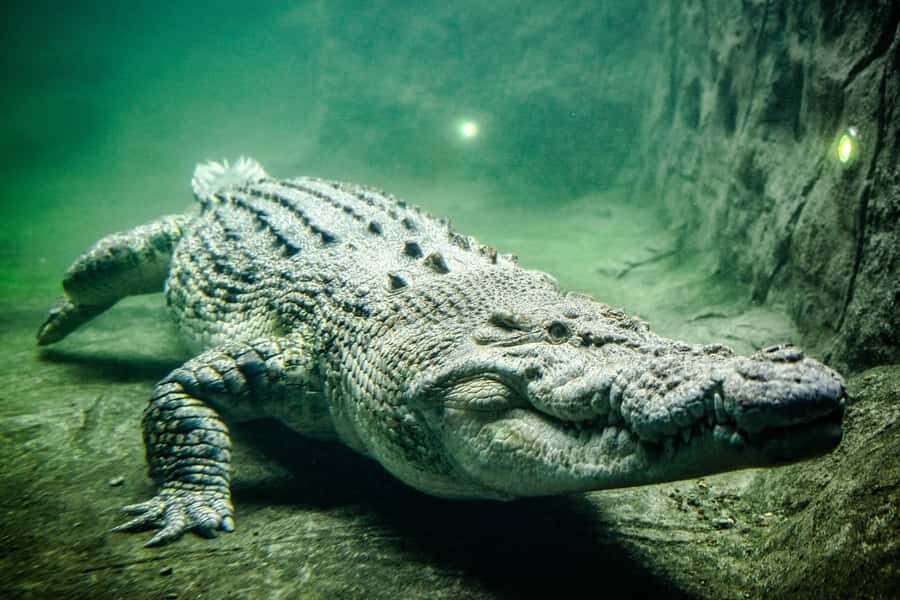
If you want one “wow” moment that isn’t just cute, this zoo delivers with reptiles—especially crocodiles. The experience includes a chance to say hello to Rex the crocodile, and you’ll also see reptiles like turtles in water habitats.
Crocodiles change the mood of a space quickly. Even when they’re resting, they look like they’re in control of the room. And because the habitats are designed to include water and natural-looking surroundings, the viewing can feel more lifelike than a generic tank-and-wall setup.
If your group includes people who are nervous around snakes, you might want to emotionally prepare them for the idea that reptiles are part of the theme here. This isn’t a gentle, “only cuddly animals” kind of zoo. It’s an Australian ecosystem presentation, including the creatures that do not exist to be friendly.
Keeper talks: the practical reason they’re worth timing your visit
The experience includes entertaining keeper talks. This is not just a “nice extra.” It affects how you experience the day.
When staff explain what you’re looking at—why the animals act a certain way, how they handle feeding, and what the habitat design supports—you can watch longer without getting bored. You also avoid the most common zoo problem: staring at an animal and realizing you don’t know anything about what matters.
Keeper talks pair well with the zoo’s layout because the animals are right there. You’re not leaving your spot to go sit in a distant show area. You’re learning in place.
Price and value in Sydney terms: is $27 worth it?
At about $27 per person for a 1-day visit, WILD LIFE Sydney Zoo sits in the “reasonable for a central Sydney activity” category rather than “cheap fun.” The cost makes more sense when you focus on what’s included: entry, 9 habitat zones, over 100 species, and real close encounters with major Aussie icons.
I think the value improves if you have one of these situations:
- You have limited time in Sydney and want a big wildlife payoff fast.
- You want native Australian animals, not an international zoo mix.
- You’re traveling with kids who need a packed, varied activity that still feels like a walk.
Where value can feel weaker:
- You’re an adult who expects a huge zoo campus. This is compact.
- You’re very price-sensitive and you only care about one species.
Either way, I’d see this as a “concentrated dose” of Aussie wildlife. Not a full replacement for massive out-of-city zoos, but a strong option for a city break.
What to plan for: time, pace, and getting the most from the route
You’re visiting a compact zoo, so pacing matters more than it does at big parks. Go early if you can, stay flexible, and plan to linger in your top 2-3 zones rather than trying to rush everything.
The route naturally works best if you think in loops:
- Start with marsupials you want close views of (kangaroos and koalas).
- Spend time on the rock and burrow habitats (rock-wallabies and wombats).
- Then move into rainforest and gorge zones where foliage animals appear (butterflies and snakes).
- Finish with the reptiles that create a strong final impression (including Rex the crocodile).
Also, keep one expectation in mind: the zoo is active and people will want the same photo spots. If you hate crowds, build in time for those moments. If you’re okay with normal zoo bustle, the closeness will feel worth it.
One more small practical note: there is a small cafe on site with seating looking at the koalas. If you need a break, it’s convenient, but don’t expect a huge menu lineup.
Who should book WILD LIFE Sydney Zoo?
This is a great match if you want:
- Native Australian wildlife in a city location
- A short visit that still has multiple themed habitats
- Close animal encounters, including kangaroos and koalas
- Keeper talks and interactive-style viewing rather than only distant exhibits
It might be less ideal if:
- You dislike crowds and want lots of open space to roam
- You’re strongly uncomfortable with snakes and less-cute reptiles
- You’re looking for a large, sprawling zoo experience
Overall, I’d call it a smart Sydney choice for families, first-timers to Australian wildlife, and anyone trying to pack a memorable activity into a tight itinerary.
Should you book WILD LIFE Sydney Zoo?
Yes—if you want a concentrated, close-up Aussie wildlife day with a clear structure and strong animal highlights. The location at Darling Harbour makes it easy to fit in, and the mix of marsupials, reptiles, and butterflies gives you more variety than many small zoos.
If the idea of paying around $27 feels heavy, make your decision based on your priorities: if kangaroos and koalas are your main goal, you’re in the right place. If you’re only going for one animal, you might feel the cost more. Either way, plan for a few hours of walking, bring your patience for popular viewing spots, and use the keeper talks to turn what you see into something you understand.
FAQ
What animals can I see at WILD LIFE Sydney Zoo?
You can expect close encounters with kangaroos and koalas, along with wombats, yellow-footed rock-wallabies, echidnas, crocodiles (including Rex), turtles, butterflies, and snakes. The experience also includes over 100 species across the habitat zones.
Where is the zoo located?
It’s located in the heart of Sydney at Aquarium Wharf in Darling Harbour.
How long is the experience?
It’s valid for 1 day, and you can check availability for starting times.
What’s included in the ticket price?
Entry to WILD LIFE Sydney Zoo is included, along with access to 9 Australian-themed habitat zones and close encounters with koalas and other iconic marsupials.
Is a guided tour included?
No. A guided tour is not included.
Can I take a photo with the koalas?
A photo with the koalas is not included. You can pay for it as an optional extra.
What are the opening hours?
Opening hours are 10:00 AM to 4:00 PM, with the last entry at 3:00 PM during ongoing COVID-19 preventative measures.
You Might Also Enjoy

More Zoos in Sydney
- Blue Mountains Small-Group Tour from Sydney with Scenic World,Sydney Zoo & Ferry
★ 5.0 · 3,709 reviews
More Tour Reviews in Sydney
- Blue Mountains Small-Group Tour from Sydney with Scenic World,Sydney Zoo & Ferry
★ 5.0 · 3,709 reviews