REVIEW · SYDNEY
Historic Walking Tour of Glebe
Book on Viator →Operated by Real History Walking Tours · Bookable on Viator
Glebe rewards slow attention. This short historic walking tour turns one lively inner suburb into a chain of real buildings, from Gothic spire to mansion facades. I like that it’s paced for learning without dragging, and I really like the mix of church architecture plus big-home history along Glebe Point Road.
One thing to watch: it’s only about an hour, so you won’t have long “just stand here” moments at every stop. You’ll be moving, listening, and then moving again.
What makes it extra worthwhile is how the guide connects buildings to the roles they played in Sydney life—religion, power, and even the darker turns some grand homes took. I also like that you get a mobile ticket, a small group size (max 30), and free admission at each heritage stop.
In This Review
- Key Highlights You’ll Feel on This Glebe Walk
- Why Glebe’s mix of churches and mansions works so well
- Is $28.69 good value for this 1-hour tour?
- Meeting point and pacing: what the walk feels like
- Stop 1: St John’s Anglican Church at 138A Glebe Point Rd
- Stop 2: Glebe Presbyterian Church at 158 Bridge Rd
- Stop 3: St James’ Catholic Church at 2 Woolley St
- Stop 4: Bidura House at 357 Glebe Point Rd
- Stop 5: Hartford House at 244 Glebe Point Rd
- Stop 6: Toxteth Park House at St Scholastica’s College
- What to look for as you walk (so you remember it later)
- Who this Glebe walking tour suits best
- Should you book the Historic Walking Tour of Glebe?
- FAQ
- What is the duration of the Historic Walking Tour of Glebe?
- How much does the tour cost?
- Where does the tour start and end?
- Is admission included for the buildings on the tour?
- Is coffee or tea included?
- Can I cancel if the weather is bad or I change my plans?
Key Highlights You’ll Feel on This Glebe Walk
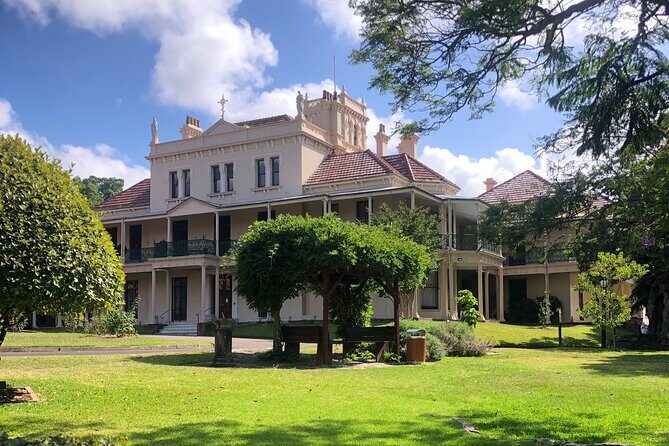
- One hour, six heritage stops: quick but structured, with about 10 minutes per location
- Free entry at every stop: churches and historic houses without extra ticket hassles
- Real character in the architecture: Gothic Revival, sandstone, stained glass, and 1800s residences
- A story-first walk: the buildings aren’t just pretty facades, they connect to lives and changes over time
- Small group vibe (up to 30): enough people to feel social, not so many it turns chaotic
- Weekend-only timing: runs Saturday mornings, ideal if you want a daytime plan
Why Glebe’s mix of churches and mansions works so well
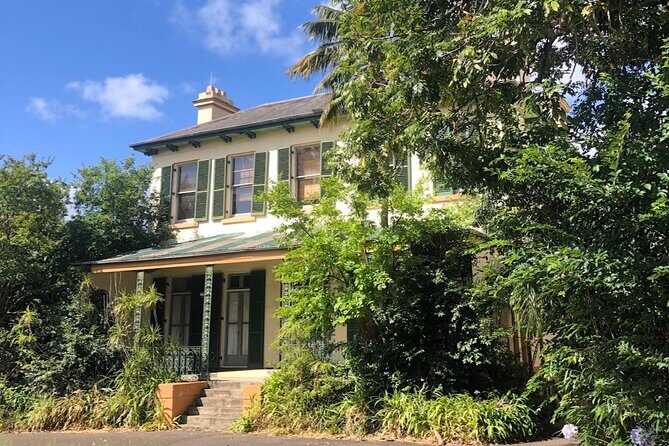
Glebe is one of those parts of Sydney where you can see different eras side-by-side. You get Edwardian townhouses in the broader neighborhood, then you hit imposing Victorian mansions and stone church buildings that look like they were planted there with purpose. The tour leans into that contrast, and it’s exactly why it feels fun instead of educational homework.
I also like the “history in layers” approach. Glebe grew from a mix of everyday industry and the more privileged side of Sydney society, and you can feel that in the architecture choices. Churches show community identity and long-term stability. Mansions show wealth and status—until the story takes an unexpected turn. It’s not just pretty buildings. It’s a place where roles changed, buildings changed, and the streets kept going.
If you’re the type who likes to understand what you’re looking at, this tour helps you get the basics fast: what style you’re seeing, what the building was for, and why the location matters along Glebe Point Road.
You can also read our reviews of more walking tours in Sydney
Is $28.69 good value for this 1-hour tour?
At $28.69 per person, this is priced like a budget-friendly city experience, and it works out well because the stops are free to enter. You’re paying for guided storytelling and a curated route through a historically significant pocket of Glebe.
A 1-hour walk also means less commitment. You can fit it into a bigger Sydney plan without losing your whole morning. And with weekend departures at Saturday mornings, it’s easy to plug in when you’re already sightseeing nearby.
The main “value trade-off” is time. Because it’s short, the guide moves briskly between the stops. If you want slow photography pauses or long interior time, you might feel a little rushed.
Meeting point and pacing: what the walk feels like
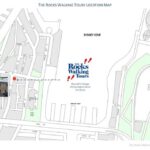
You start at 140 Glebe Point Rd, Glebe NSW 2037 at 10:00 am. The tour ends out the front of St Scholastica’s College at 15 Avenue Rd, Glebe NSW 2037. Expect the route to run in a tight rhythm: roughly 10 minutes per stop, plus the walking time between them.
The group size cap (up to 30) matters more than you’d think. In that range, you can usually hear the guide and still look around at the buildings without feeling packed in.
Also, you’ll want to bring your own drink if you need one. Coffee and tea aren’t included, and the tour stays focused on the heritage sites. Wear shoes you’re comfortable walking in; you’ll be on foot throughout.
Weather matters too. The tour requires good weather, so if it’s cancelled due to weather, you’ll be offered a different date or a refund.
Stop 1: St John’s Anglican Church at 138A Glebe Point Rd

The walk kicks off with St John’s Anglican Church, a massive Gothic Revival building that dominates the Glebe streetscape. The spire and the grounds give you that instant “this is a landmark” feeling, and the guide uses that presence to explain how churches became visible markers of community life.
What I like here is the contrast between scale and detail. From the street, the building reads bold and imposing. Up close, there’s more texture to notice, and the setting makes it easy to get your bearings for the rest of the walk. It’s also a smart opening stop because it establishes the theme: this suburb isn’t just residential. It has major institutional buildings that have shaped how the area felt.
A small consideration: because the start is all about getting oriented, you’ll likely spend this stop learning the “why” behind what you’re seeing rather than wandering for ages. If you like quick context, that’s a plus.
Stop 2: Glebe Presbyterian Church at 158 Bridge Rd
Next you move to Glebe Presbyterian Church at 158 Bridge Rd, another standout sandstone building with a nomadic life. That phrase matters because it tells you the building’s story isn’t only about architecture—it’s about movement and changing circumstances.
This is the kind of stop where the guide’s explanation helps you look beyond the exterior. The church’s size and material presence suggest permanence, but the idea of a “nomadic life” signals that the institution and its needs shifted over time. That adds an extra layer: you’re not just admiring heritage, you’re tracing how people and organizations adapted.
One practical tip for this stop: look at how the sandstone color and massing relate to the surrounding streets. Even without going inside, the structure gives you a strong sense of the suburb’s older visual identity.
You can also read our reviews of more historical tours in Sydney




Stop 3: St James’ Catholic Church at 2 Woolley St
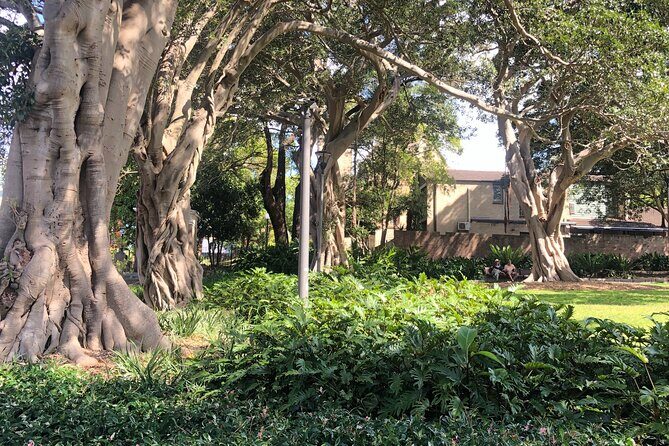
At 2 Woolley St, you reach St James’ Catholic Church, set within a rich complex of differing heritage architectural styles. This stop leans hard into visual payoff, especially the stained-glass windows, which are described as a key feature.
If stained glass is your thing, this is where you’ll slow down naturally. Even when you can’t linger long, windows like these are hard to rush past. The guide’s story also matters here because it gives you the backstory behind what you’re seeing, turning a “pretty window” into something with context.
A possible drawback is simple: if you’re not into churches or religious architecture, you may not care as much about the artwork and symbolism. Still, the stained glass and the multi-style complex provide enough architectural interest that the stop should feel worthwhile even if you’re more interested in buildings than belief.
Stop 4: Bidura House at 357 Glebe Point Rd
Then the tour pivots to the kind of building that makes you wonder about the life inside its walls. At 357 Glebe Point Rd, you visit Bidura House, described as a beautiful 1860s gentleman’s residence with a chequered past.
Here’s the hook that makes the stop memorable: the story isn’t a straight line of wealth. It moves from prominent mansion life to a massive children’s detention centre. That kind of transformation is heavy, but it’s also precisely what makes Glebe’s story feel real. The building becomes a witness to different eras and different uses.
What I like as a viewer is how this stop changes your perspective on mansions. Instead of seeing grand homes as permanent symbols, you start seeing them as structures that can be repurposed when society changes.
Because the tour is time-limited, you’ll probably get a focused overview rather than an all-day architecture study. But the “before-and-after” nature of the story makes this stop one of the most compelling on the route.
Stop 5: Hartford House at 244 Glebe Point Rd
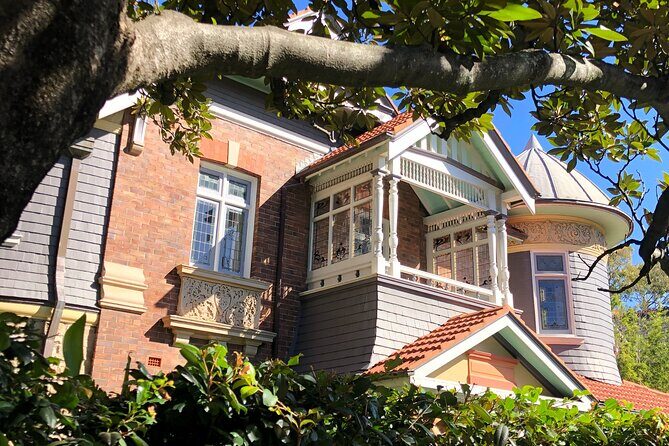
At 244 Glebe Point Rd, you arrive at Hartford House, an elaborate mansion and one of Glebe’s more prestigious residences. This stop balances the emotional weight of Bidura House with a more classic “status and design” vibe.
This is the sort of building where you’ll want to step back and take in the full facade before you start looking for details. The guide helps you connect what you’re seeing to the idea of prestige in Glebe—why these homes mattered and how they shaped the look and feel of Glebe Point Road.
One thing to consider: if you’re expecting interiors, this stop may feel more about exterior viewing and story context than a deep interior look, since the tour time is short. But even on the outside, mansion facades tell a lot—especially when you learn what the guide wants you to notice.
Stop 6: Toxteth Park House at St Scholastica’s College
The final stretch is at St Scholastics College, where you’re seeing the former Toxteth Park House. This is described as the most impressive house in Glebe, tied to one of the richest families in Sydney. That’s your final big “scale” moment on the tour: you end with a building that reads as serious wealth.
Even better, you finish at the point the tour is designed to end—out the front of the college at 15 Avenue Rd. That makes it feel like a clean landing: you don’t just stop at a random intersection, you finish at a proper site.
If you like a satisfying arc, this ending works. The tour starts with a church landmark, moves through another church and stained glass, then hits two mansions with a darker twist and continued prestige, and then closes with the strongest “power and prosperity” statement. It’s a neat storyline, all on foot.
What to look for as you walk (so you remember it later)
Since the walk is about 60 minutes, you’ll get the most out of it if you pay attention to a few things while you’re moving:
- Streetfront scale: Notice which buildings dominate the street and which ones tuck into their lots. It changes how the suburb “feels.”
- Materials and styles: Gothic Revival shapes your eye upward; sandstone reads heavier and older. Those cues help you identify what you’re seeing.
- Purpose shifts: Bidura House’s change from mansion to children’s detention centre is the kind of story that changes how you view architecture.
- Religious vs residential design: Churches tend to aim for visibility and community focus; mansions aim for status and presence.
- Where you stand: For best views, keep your body position consistent. The guide likely uses the street angles intentionally.
The good part is that even if you only catch half the details, the buildings are strong enough that you’ll still have a clear picture of Glebe’s character when you leave.
Who this Glebe walking tour suits best
This is a great fit if you want a compact Sydney plan that’s grounded in real places. You’ll probably enjoy it most if you like:
- architecture and heritage streetscapes
- guided explanations that connect buildings to human stories
- a no-stress time commitment (about 1 hour)
- a small group format that doesn’t feel like a cattle call
It may be less ideal if you’re looking for long museum-style time, or if you’re hoping for a coffee stop halfway through. Since coffee and tea aren’t included, plan to grab a drink after.
Also note: the tour requires good weather, so if you’re visiting during a wet stretch, you’ll want flexibility.
Should you book the Historic Walking Tour of Glebe?
If you love getting your bearings fast in a new neighborhood, I’d book it. For the price of $28.69, you get a curated walk through major heritage sites, free admission at each stop, and a guide who clearly knows how to make these buildings feel like they matter.
I’d especially recommend it on a Saturday morning when you want a productive start: you can learn the “why” behind Glebe’s look, then continue exploring with better context.
Skip it only if you hate walking, want a long stop at each building, or you’re not interested in church and mansion architecture at all. Otherwise, this is one of those efficient local experiences that leaves you seeing the suburb differently for the rest of your trip.
FAQ
What is the duration of the Historic Walking Tour of Glebe?
The tour is approximately 1 hour, with about 10 minutes at each of the six stops.
How much does the tour cost?
It costs $28.69 per person.
Where does the tour start and end?
It starts at 140 Glebe Point Rd, Glebe NSW 2037 and finishes at 15 Avenue Rd, Glebe NSW 2037, out the front of St Scholastica’s College.
Is admission included for the buildings on the tour?
Yes. Each stop lists admission ticket free.
Is coffee or tea included?
No. Coffee and/or tea are not included.
Can I cancel if the weather is bad or I change my plans?
You can cancel for a full refund if you cancel at least 24 hours before the tour starts. If the experience is cancelled due to poor weather, you’ll be offered a different date or a full refund.
You Might Also Enjoy



More Walking Tours in Sydney


More Tours in Sydney
- Blue Mountains Small-Group Tour from Sydney with Scenic World,Sydney Zoo & Ferry
★ 5.0 · 3,709 reviews


More Tour Reviews in Sydney
- Blue Mountains Small-Group Tour from Sydney with Scenic World,Sydney Zoo & Ferry
★ 5.0 · 3,709 reviews